

repand
- adjective
- /rɪˈpænd/
- Specialized
- The repand margin of the leaf is a key characteristic of this species.
Examples
-
This plant has repand leaves that gently undulate, making it easy to identify.
-
The repand edges of the leaf create a unique texture.
-
Many botanists note when a plant has repand edges as it helps with identification.
-
The holly's repand leaves distinguish it from other similar shrubs.
-
Look at the repand margins of this plant's leaves!
-
The repand edges of the leaf give it a distinctive appearance among other foliage.
-
Botanists often describe the repand margin of the leaves when classifying plant species.
Synonyms

 1
8.7
1
8.7

Wavy shape or movement like waves


 1
4.4
1
4.4
Small waves appear on a surface like water or fabric
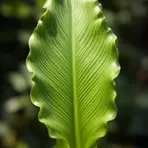
Having a wavy edge and a rippled surface like many leaves

An edge that curves in and out like small waves on leaves or shells

A line or surface that goes up and down in smooth curves

With small, gentle waves on the surface, like water or cloth
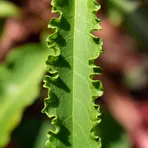
Having wavy, uneven curled edges, often on leaves and petals
How Wavy

Surface Forms
Etymology
Repand comes from the Latin repandus, made of re- 'back' and pandere 'to spread'. You can see the same pand root in expand ('to spread out'), so a repand leaf has its edge slightly turned back or spread into soft, wavy curves, which is why botanists use the word for a gently wavy margin.