
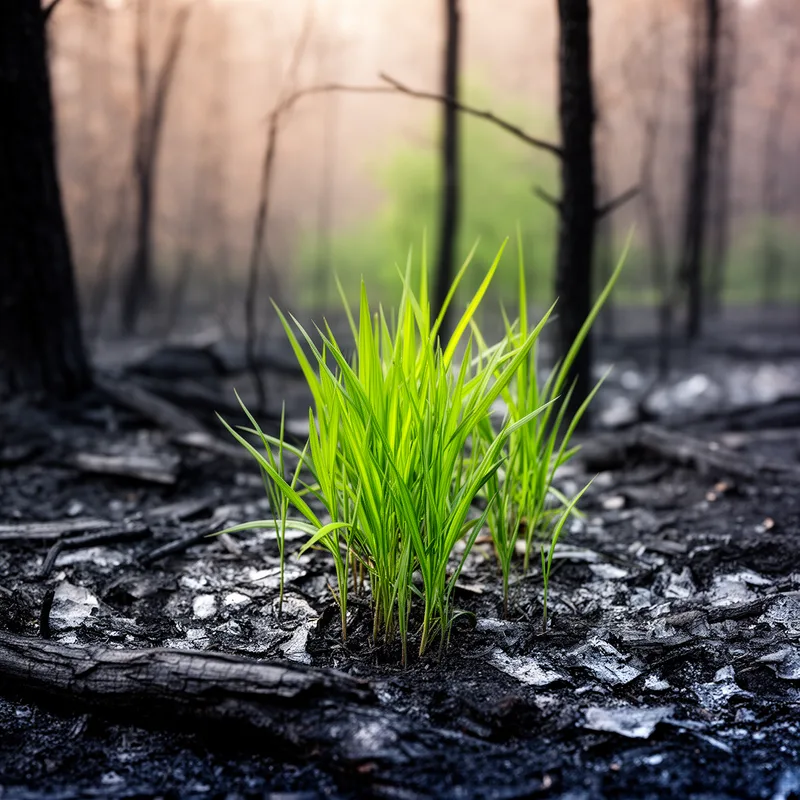
to regreen
- verb
- /riˈɡrin/
- After the fire, it took years for the land to regreen.
Examples
-
The forest will regreen after the rain.
-
After the rainy season, the once dry fields started to regreen, bringing life back to the landscape.
-
After the heavy rains, the fields began to regreen and looked full of life again.
-
It can take several months for a burned forest to regreen after a wildfire.
-
The park slowly regreened as spring arrived and new grass started to grow.
-
The forest began to regreen after the fire, with new sprouts emerging from the ground.
-
As spring arrived, the garden would regreen, transforming the brown earth into a lush, vibrant space.
Synonyms

 12
3.8
12
3.8

Become covered with new leaves or grass
 1
6.4
1
6.4
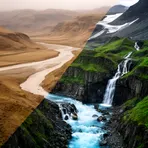
Make land or rivers look younger and have stronger water flow


 1
6.8
1
6.8
To make bare land grow plants again
Antonyms

How Green

Surface Forms
Morphology
Etymology
Regreen is built from the prefix re-, like in redo, meaning 'again', and green, meaning 'plants' or the 'color green'. Think of a dry field becoming 'green again', so regreen means to become green again after drought, fire, or winter.