
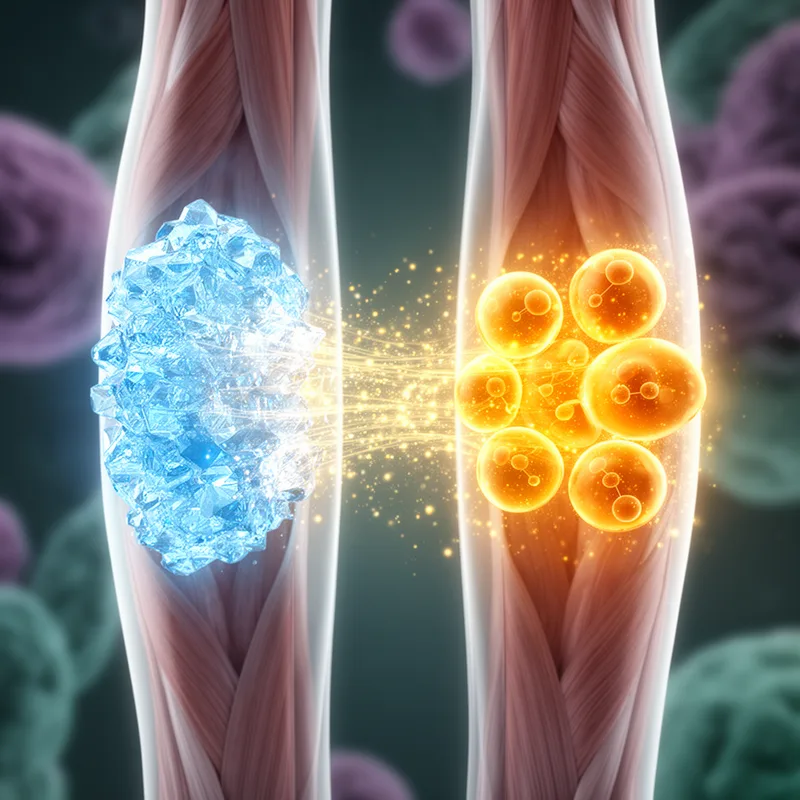
pyruvate
 1
8.0

- noun
- /paɪˈruːveɪt/
- Specialized
- Original and follow-up serum samples were tested by ELISA for E2 components of pyruvate dehydrogenase complex and 2-oxoglutarate dehydrogenase complex.
- pyruvate oxidation
- pyruvate production
Loading YouTube…
Watch on YouTubeYou're going to start building up pyruvate now at the same time you're breaking ATP for fuel.
- You're going to start building up pyruvate now at the same time you're breaking ATP for fuel.
- And so you can have a few different ways to get to the Krebs cycle, either being through acetyl COA or through glucose going through the glycolysis to pyruvate.
Examples
-
Free fatty acids and pyruvate are sufficient to restore differentiation in autophagy-deficient neutrophil precursors.
Academic text (2017) -
A small amount of pyruvate is produced, which ends up being converted to ATP (the chemical storage form of energy) and carbon dioxide.
Blog text (18) -
And then once it has that pyruvate, turn that pyruvate into glucose.
-
Now lactate is a by product of the pyruvate pathway of it alternate way of making energy.
-
Now let's get back to this reaction, how you turn pyruvate into acetyl COA.
-
You're going to start building up pyruvate now at the same time you're breaking ATP for fuel.
-
C1 carboxylation occurs mainly via pyruvate carboxylase in the mitochondria and not through phosphoenolpyruvate carboxylase (PEPC 1, 56026).
Blog text (18) -
In the results of the analysis of the differences in overall contribution of the 95 pathways, four pathways appeared in the top 20 of all the age group comparisons: CoA synthesis, vitamin D metabolism, hyaluronan metabolism, and pyruvate metabolism.
Academic text (2018) -
The pyruvate produced during glycolysis is essential for cellular respiration.
-
In metabolism, pyruvate acts as a key intermediate in the energy production process.
Synonyms

 1
6.5
A colorless acid that cells make when they break down sugar
Surface Forms
Morphology
pyruvate = pyruvic (opaque) = pyruv + ate
The element 'pyruv-' is a technical combining form and '-ate' is a chemical suffix indicating an anion; this composition is not meaningfully transparent to general learners.
Etymology
Pyruvate comes from the Greek root pyr meaning 'fire' because early chemists made the related acid by heating substances, and the ending -ate shows it is the salt form of that acid. So, pyruvate is the salt form of pyruvic acid that cells make when they break down glucose, and thinking of 'fire' can help you remember its link to energy in the cell.