
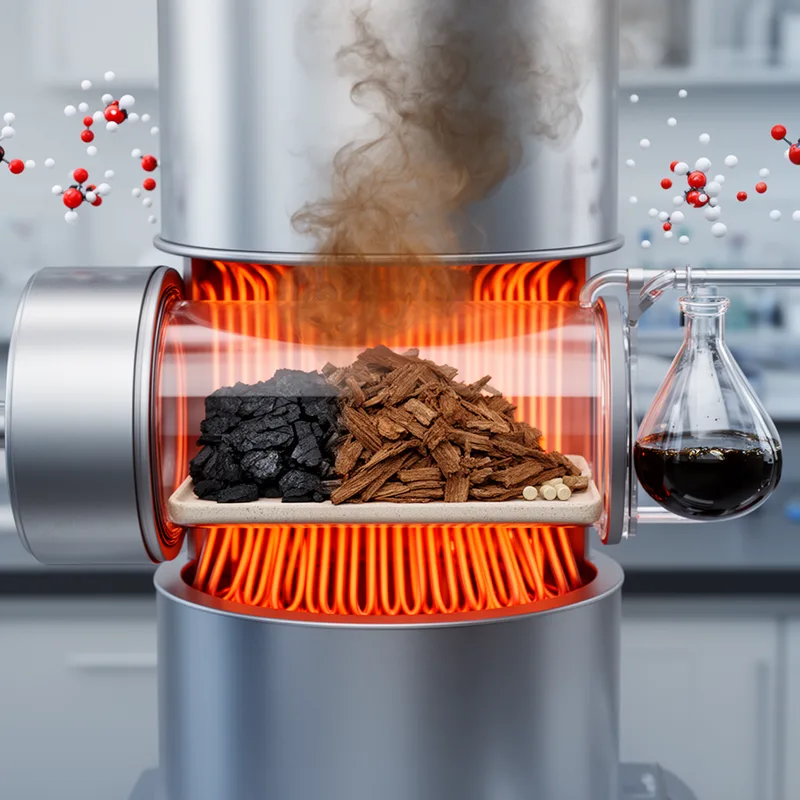
pyrolytic
- adjective
- /ˌpaɪrəˈlɪtɪk/
- Specialized
- The Pyrolytic Release (PR) experiment incubated soil in the presence of radioactive carbon monoxide and carbon dioxide.
- pyrolytic release
- pyrolytic release experiment
Examples
-
Get yourself a piece of pyrolytic graphite, put a Bunsen burner underneath it.
-
And that is the square of pyrolytic graphite, which means the Firestone graphite.
-
The pyrolytic-release experiment looked for evidence of photosynthesis, the process by which plants on Earth convert carbon dioxide gas into organic compounds using sunlight as an energy source.
Academic text (1992) -
I've seen a claim that even pyrolytic graphite moderator elements would require regular replacement due to swelling from neutron damage, but I can't say I know anything else.
Blog text (32) -
The scientist demonstrated the benefits of using pyrolytic graphite in high-temperature applications due to its stability.
-
In the manufacturing process, they employed pyrolytic techniques to create materials with enhanced thermal resistance.
-
This research focuses on pyrolytic carbon, which is produced when organic materials are thermally decomposed without oxygen.
Synonyms
Involving chemical reactions at very high temperatures

Made by very high heat, for example in volcanoes
Surface Forms
Morphology
pyrolytic = pyrolysis (semi-transparent) = pyro + lyt + ic
The adjective is clearly related to the technical noun 'pyrolysis', but the form change from 'pyrolysis' to 'pyrolytic' is not fully straightforward for learners.
Etymology
The word pyrolytic comes from Greek parts pyro- meaning 'fire' and -lytic meaning 'to break apart'. So pyrolytic describes something made or changed by very high heat, that has been broken down by fire or strong heat.

