
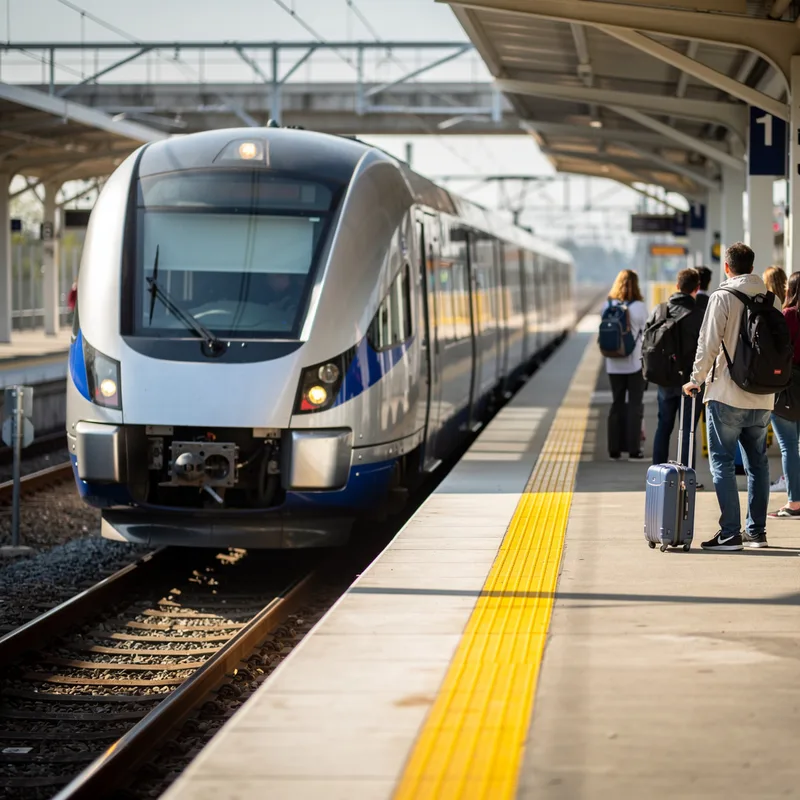
to pull in
 19
3.1
19
3.1

- phrasal verb
- /pʊl ɪn/
- An F.B.I. sedan pulls in and parks. F.B.I. Agent Cord gets out. Carla sits in the back seat.
- a train pulls in
- a car pulls in
- a bus pulls in
Loading YouTube…
Watch on YouTubeI can see him, he's just pulling in now.
- I can see him, he's just pulling in now.
- The Border Patrol boat come pulling in.
- And we finally get to Hanover, NH, Dartmouth College and we pull in.
- I went out and I just heard this squeaking wheels like a really harsh black van pulls in front of me on top of the pavement.
Examples
-
You'll be pulling in in a minute.
-
A German staff car pulls in across the factory gate, blocking it.
Fiction book (1993) -
- Well, yeah, the bus is pulling in now.
-
The last bus from Bitchville just pulled in.
-
Finn was still sitting in his study when he heard the car pull in.
Fiction book (1994) -
Look, it's the rush hour, the Bronx Express is just pulling in.
-
I hadn't heard the car pull in, but I could hear it idling now.
Fiction book (1991) -
Deacon drives the minivan home and pulls in next to the brand new convertible sports car.
Fiction book (2002) -
The train will pull in at the platform in just a few minutes.
-
The last train from the city pulled in right on time this evening.
Synonyms
 163
2.8
163
2.8
To stop or slow down a vehicle at a place
 96
1.3
96
1.3
To arrive at a station, like a train or bus
 5
3.6
5
3.6
To stop a vehicle at a place

Arrive at a station
Antonyms

How Punctual

Surface Forms
Morphology
pull + in
The meaning 'to attract or draw' is transparently derived from combining 'pull' (to draw/tow) with the directional particle 'in' (toward), yielding an inward-drawing sense that maps directly onto 'attract'. This compositional motion→metaphor pattern is common and predictable, so a B1 learner who knows the constituents will typically infer the MWE meaning (though note the phrasal verb also has other senses like 'arrive/stop').
Etymology
Pull in comes from trains: the engine would pull the carriages in to the platform, bringing them to a stop. That is why pull in means 'to arrive at a station and stop'.