
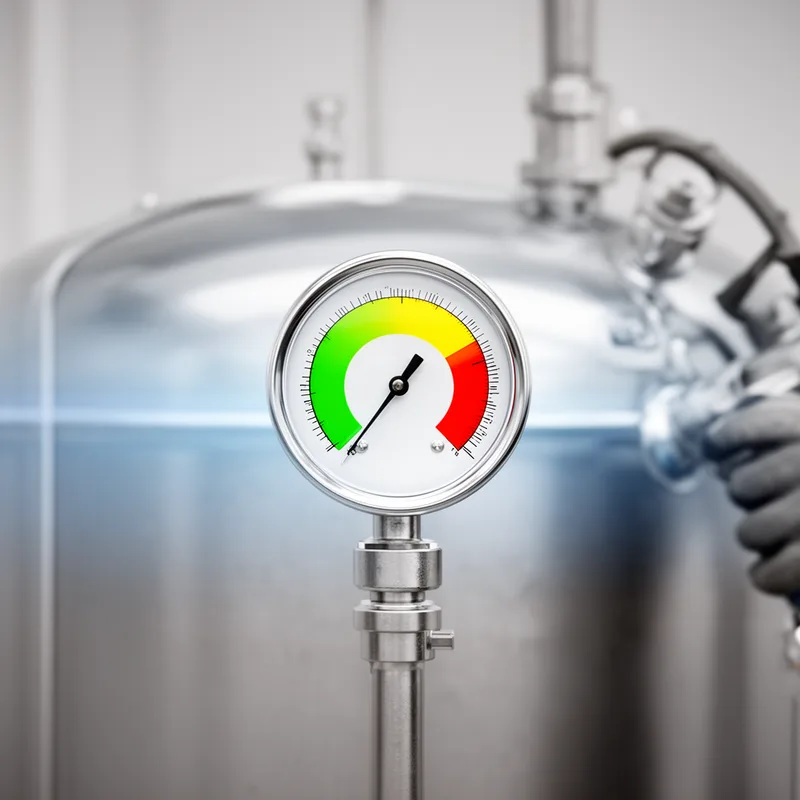
psig
- noun
- /ˈpiːˌsaɪdʒ/
- Specialized
- The pressure in the tank needs to be adjusted to 50 psig for optimal performance.
- 10,000 psig
- 6,000 psig
- 20,000 psig
Examples
-
The flowmeter has been designed to handle pressures up to 1450 psig and temperatures up to 300 degrees F.
Academic text (1995) -
Air flows through the line at 2 to 4 psig.
Academic text (1996) -
Elevation, depending on the source in use, provides approximately 20 to 40 psig water to the plant.
Academic text (1998) -
Element life is typically ten years, and pressure drop is as low as one psig.
Academic text (1998) -
The Weld+Cap is designed for pressures up to 2,000 psig.
Academic text (2002) -
Features include vacuum to 25 inHg and pressure to 32 psig.
Academic text (2003) -
Exhaust capacity for the new model is 15 or 16 scfm at a 5 psig increase in output pressure above a 20 psig setpoint.
Academic text (1998) -
The one-piece body is rated to 6,000 psig with a lightweight design.
Academic text (2004) -
Sensor-tube operating temperatures are -40 degrees to 320 degrees F and 800 psig at 300 degrees F.
Academic text (1994) -
The LPS-2 Series is manufactured from 316 stainless steel and can operate up to 300 psig.
Academic text (1994)
Synonyms

 7
3.4
7
3.4

A unit that measures pressure equal to one pound of force on one square inch
Surface Forms
Etymology
The word psig comes from psi ('pounds per square inch') with a final g for gauge, and gauge means 'compared to the air around us'. So psig tells you how many pounds per square inch the pressure is above or below normal air pressure.