
protective covering
- noun
- Specialized
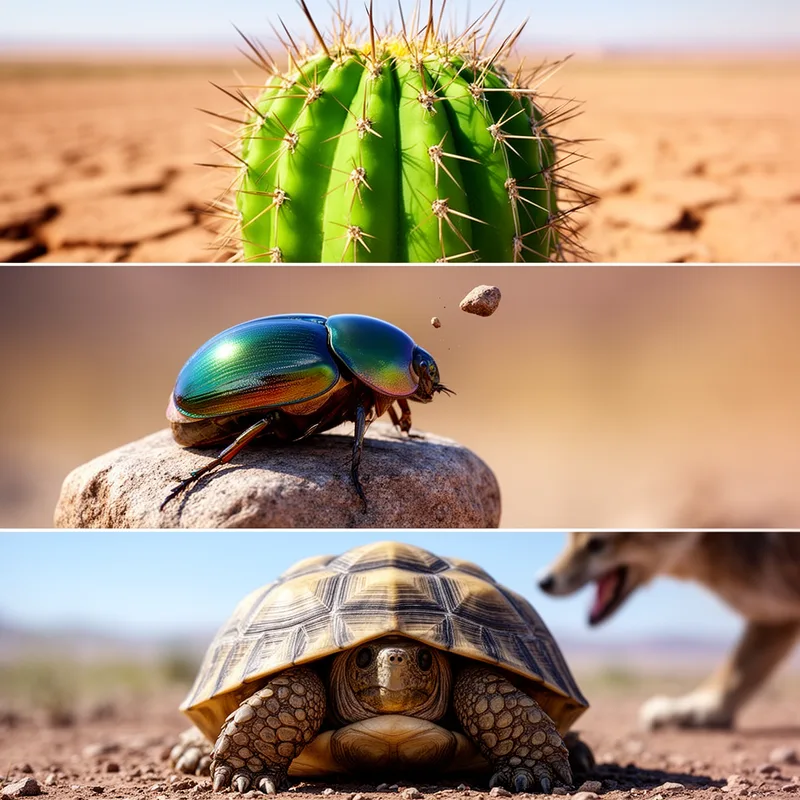
- The turtle's shell serves as a protective covering against predators.
Examples
-
Many animals have a protective covering that helps them survive in harsh environments.
-
A solid protective covering is essential for plants to withstand extreme weather conditions.
-
Until the alien inspector arrives, exceptions to this order will be made only on a case-by-case basis for those individuals, like surgeons performing operations and jet pilots, who need protective coverings.
Fiction book (2001)
Synonyms

 571
1.0
571
1.0

A thing like a lid or blanket that lies over something to keep it safe
 296
1.0
296
1.0
A hard outer covering that protects animals, eggs, or nuts
 140
1.0
140
1.0
A thin outer layer on an object that protects it and gives its look
 94
3.5
94
3.5
A hard outer covering on animals like insects or turtles that protects the body
 69
3.9
69
3.9
An outer covering that protects or decorates objects like bullets
 45
3.0
45
3.0
An outer cover that protects things like a tire from damage
 35
3.4
35
3.4
A material put inside something to protect it and keep it clean
 35
3.4
35
3.4
A layer of material that covers a surface to protect or decorate it
 20
3.4
20
3.4
A hard protective outer part on some animals and plants
 12
1.1
12
1.1
A thing placed over something to protect or hide it
 1
2.7
1
2.7
An object placed over something to keep it safe from damage

A layer like skin, fur, or clothes that covers the body

A layer of skin or tissue that covers and keeps a nearby body part safe

A protective layer added to something to stop damage
Antonyms


How Protective
- Specialized
16
6.9
 296
1.0
296
1.0
- Specialized
66
1.0
∞
1.0
35
3.4
Surface Forms
Morphology
The meaning is directly derivable from 'protective' (serving to protect) combined with 'covering' (a layer placed over something), so the phrase denotes a layer that protects. This is a straightforward, compositional noun phrase found cross-linguistically, and an average B1 learner who knows both constituents will understand it.
Etymology
The noun protective covering comes from thinking of a hard shell or thick skin, like a turtle's shell or a cactus's waxy skin, that keeps the animal safe and stops water loss or attacks. So it means the outside layer that protects a living thing from 'injury' or 'infection'.