
propionyl


 1
9.9
- noun
- /prəˈpɪəniˌl/
- Specialized
- The propionyl group is a key component in several organic reactions involving carbon chains.
Examples
-
Propionyl coenzyme A carboxylase carboxylates propionyl COA to form a very specific stereoisomer S methyl malonyl coenzyme A.
-
Alternative pathways that could utilize HCO3- were also suggested by the gene expression profiles (e.g., propionyl-CoA and methylmalonyl-CoA).
Blog text (18) -
The starter is a propionyl COA, so we can see that here.
-
Alternative pathways that could utilize HCO3- were also suggested by the gene expression profiles (e.g., putative propionyl-CoA and methylmalonyl-CoA decarboxylases).
Blog text (18) -
In biochemistry, propionyl is crucial in the metabolism of certain fatty acids and amino acids.
-
Researchers studied how the propionyl moiety affects the solubility of various compounds.
Surface Forms
Morphology
propionyl = propionic (opaque) = propion + yl
Although morphologically formed from a chemical adjective ('propionic') plus the acyl suffix '-yl', this is technical chemical nomenclature that is not predictable for an average B1 learner.
Etymology
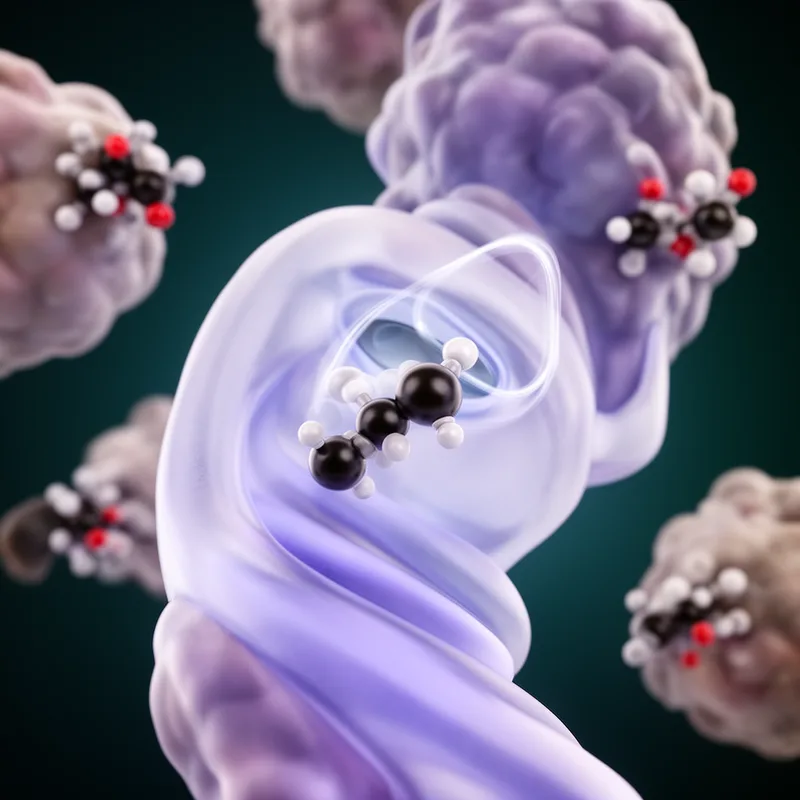
The word propionyl comes from the name propionic, as in propionic acid, and it refers to a small chemical part made of 'three carbon atoms'. Think of propane, a common three-carbon fuel, to remember the 'prop-' part, because a propionyl group is the three-carbon piece that attaches to other molecules and so means a chemical group with three carbons.