
prophage


 1
9.9
- noun
- /ˈprɒfeɪdʒ/
- Specialized
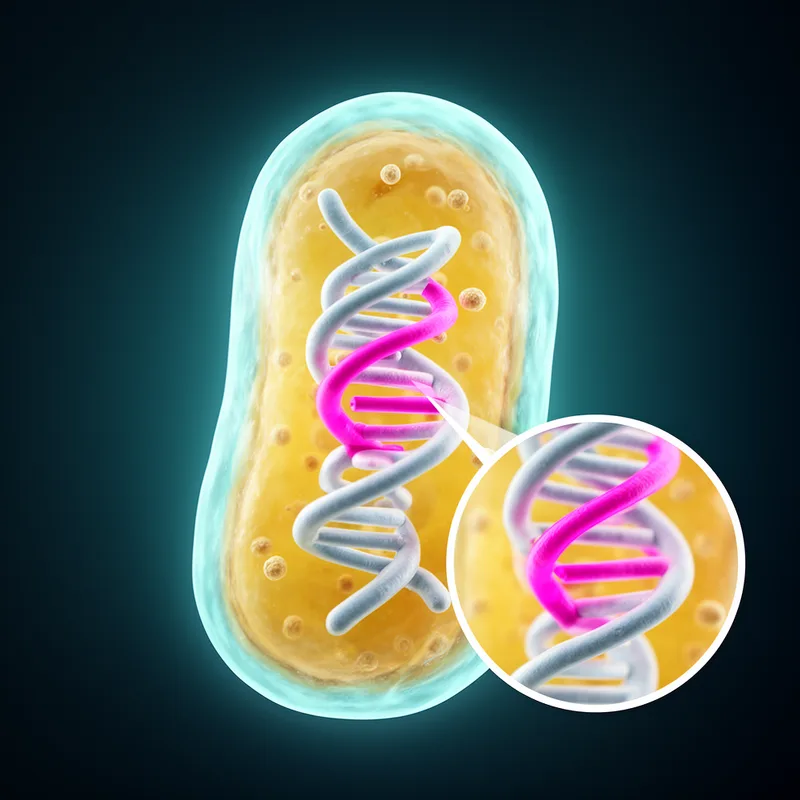
- The genetic material of a bacteriophage can exist in a dormant state as a prophage within a bacterial cell.
Examples
-
The fact that most of the septicemic bacterial isolates carry functional prophages suggests an active role of phages in bacterial infections.
Academic text (2017) -
Prophages present in sepsis-causing bacterial clones play a role in clonal selection during bacterial invasion.
Academic text (2017) -
When the bacterium is under stress, the prophage may activate and lead to the production of new viruses.
-
Scientists study prophages to understand their influence on bacterial evolution and antibiotic resistance.
Surface Forms
Morphology
Etymology
The word prophage combines pro- meaning 'before' and phage meaning 'to eat', a root you also see in bacteriophage, a virus that 'eats' bacteria. So a prophage is the virus's genetic part that stays inside a bacterial cell 'before' it becomes active, like a sleeping stage that can later wake up and make new viruses.