

proliferative


 1
7.8
1
7.8
- adjective
- /prəˈlɪfərətɪv/
- Specialized
- Expression of p53 and high cellular proliferative activity has been shown to be correlated with poor clinical outcomes.
- proliferative phase
- proliferative activity
- proliferative tissues
Examples
-
Clinically, DR is categorized into two main classes, namely: nonproliferative DR (NPDR) and proliferative DR (PDR) 10.
Academic text (2018) -
The proliferation of Leydig cells based on PCNA expression, an indicator of proliferative activity, was analyzed.
Blog text (3) -
The first phase is the proliferative phase, which lasts up to 18 months after birth.
Academic text (2006) -
The net effect of the cellular response was initial proliferative arrest and senescence.
Academic text (2017) -
We'll look at the proliferative cells and the post mitotic granule cells.
-
In order to control for mood, an additional medical questionnaire identifying the proliferative phase of their menstrual cycle was completed.
Academic text (2006) -
Psoriasis: Psoriasis is a common, chronic, relapsing, genetically determined, inflammatory, and proliferative disease of the skin.
Academic text (2007) -
The results of adding telomerase to these cells were striking—the cells regained their proliferative potential, ignoring the Hayflick limits.
Academic text (1998) -
The animals' fertility plummeted, reproductive organs shrank, and highly proliferative tissues, such as testis, spleen, and bone marrow, degenerated.
Academic text (1998) -
During the proliferative stage of healing, the body quickly generates new cells and tissues to repair the wound.
Synonyms

Growing in number and spreading very quickly
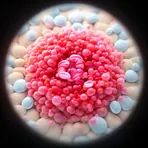
Showing a quick, often abnormal increase in cells
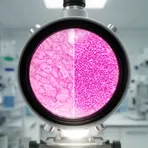
Having too many cells in a part of the body
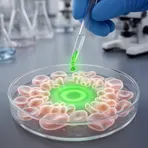
Something that makes cells divide
Antonyms


Surface Forms
Morphology
proliferative = proliferate (transparent) = proliferate + ive
The adjective is a regular derivation from the verb 'proliferate' with '-ive', so the meaning ('causing or characterised by rapid growth') follows directly.
Etymology
Proliferative comes from the parts proles ('offspring') and ferre ('to bear') and is like the common word prolific. So to be proliferative is to produce many or grow quickly, which is why we use it for rapid cell growth or a fast increase in things.