

procaine hydrochloride
- noun
- /proʊˈkeɪn haɪˈdrɒklɔɪd/
- Specialized
- The dentist injected procaine hydrochloride to numb the area before the procedure.
Examples
-
Some patients may have allergic reactions to procaine hydrochloride during minor surgeries.
-
Procaine hydrochloride, also known as Novocain, was once the most popular local anesthetic.
-
The dentist used procaine hydrochloride for the procedure.
-
Is procaine hydrochloride effective for dental work?
-
Procaine hydrochloride is often administered by dentists to ensure patients feel no pain during cavity fillings.
-
Procaine hydrochloride is available in vials for use in various medical procedures requiring localized anesthesia.
-
Before starting the surgery, the doctor made sure to apply procaine hydrochloride to numb the patient's skin.
Synonyms
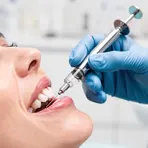
 7
3.8
7
3.8

A medicine that numbs part of the mouth, often used by dentists
 5
5.7
5
5.7
A drug that numbs part of the body so you do not feel pain, often used by dentists
 1
7.9
1
7.9
A medicine used to make a small area numb for dental or medical work
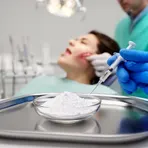
A white powder used to numb a small area for dental and medical work

A medicine that makes a small part of the body lose feeling before a procedure
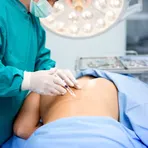
A drug used to make part of the body not feel anything during surgery

A medicine used to numb a small area on the mouth or nose
Surface Forms
Morphology
The term is a straightforward chemical compound name: 'procaine' (a local anesthetic) combined with 'hydrochloride' (the hydrochloric acid salt form), so its meaning as the hydrochloride salt of procaine is directly derivable from the parts. Chemical naming conventions of base + 'hydrochloride' are common across languages, so a learner who knows both constituents can understand this MWE's meaning even if they lack detailed pharmacological knowledge.
Etymology
Procaine hydrochloride was created as a safer medical alternative to cocaine, and its name shares the '-caine' part with 'cocaine' while the brand name 'Novocaine' meant 'new caine'. Doctors used it to numb small areas during operations, so that's why the name is linked to 'a local anesthetic' and 'to numb'.