
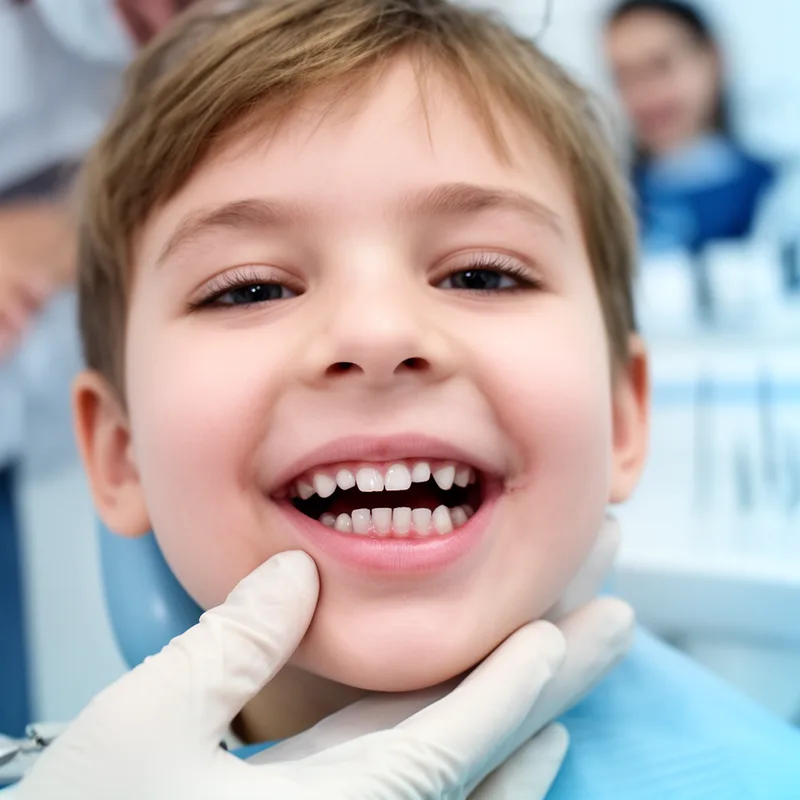
primary dentition
- noun
- /ˈpraɪˌmɛri dɛnˈtɪʃən/
- Specialized
- The dentist explained that primary dentition usually begins to appear around six months of age.
Examples
-
Good oral hygiene is important to maintain primary dentition until the permanent teeth come in.
-
All of the children with CLP and six of the children without CLP were in mixed dentition; two children without CLP were in primary dentition.
Academic text (2012) -
Many parents are concerned about their child's primary dentition and its effect on speech development.
Surface Forms
Morphology
The meaning 'the first set of teeth (baby teeth)' is directly compositional from 'primary' (first, initial) + 'dentition' (the set/eruption of teeth), so the overall sense is predictable from the parts. This is a standard technical noun phrase following English compounding patterns (and similar terms exist in other languages), so a B1 learner who knows both constituents will understand it.
Etymology
Primary dentition comes from its parts: primary means 'first' and dentition means 'teeth'. It describes the 'baby teeth' that come in first and are later replaced by permanent teeth.

