

preterition
- noun
- /ˌprɛtəˈrɪʃən/
- Literature
- During her speech, the politician used preterition to hint at controversies without naming them directly.
Examples
-
One finds in both all the devices of substitution engendered by taboo: euphemism, allusion, antiphrasis, preterition, litotes.
Academic text (1990) -
All preteritions, aposiopesis, and silence must be regarded as figures signaling unpresentability.
Academic text (2002) -
From this fact, we infer that what we have before us here is no less than a missing third term, a preterition, a conceptual elision—the law, in short, of the excluded middle.
Fiction book (1990) -
The author's use of preterition created intrigue, making readers wonder about the hidden details of the story.
-
By employing preterition, the lawyer implied weaknesses in the opponent's case while avoiding direct criticism.
Synonyms

 1
6.6
1
6.6

A way of using language to persuade or add emphasis

Mentioning something briefly while pretending to ignore it draws attention

To pretend not to mention something while actually making people notice it

A way of bringing up something by saying you will not talk about it
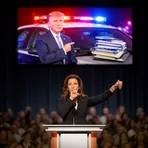
Saying you will not talk about something to draw attention to it
Surface Forms
Etymology
Preterition comes from the Latin praeterire, which means 'to go past', and the part praeter means 'past' or 'beyond'. So preterition is like 'passing over' a topic by mentioning it while pretending to skip it, which explains the modern rhetorical meaning.