
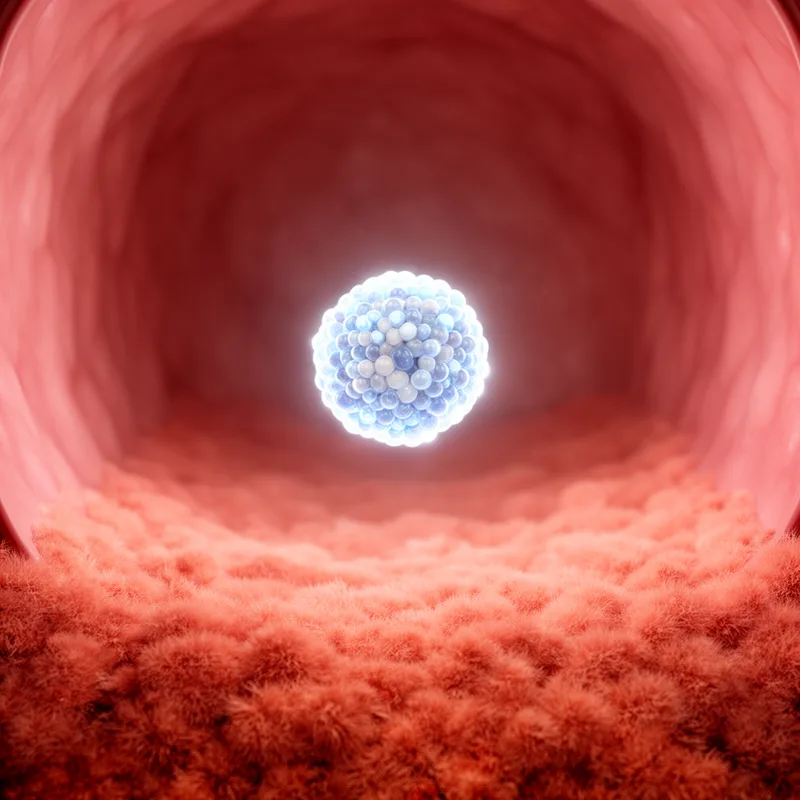
preimplantation


 1
9.1
1
9.1
- noun
- /priːˌɪmplænˈteɪʃən/
- Specialized
- IVF paved the way for preimplantation genetic diagnosis (PGD), also referred to as preimplantation genetic selection (PGS).
- preimplantation embryo
- preimplantation genetic
- preimplantation genetic diagnosis
Examples
-
The term 'preimplantation' refers to the crucial period before the embryo attaches itself to the uterine wall.
-
With preimplantation genetic diagnosis, it would be a 1 00 percent match.
-
A preimplantation embryo of about 150 cells is produced by cell division following fertilization.
Academic text (2007) -
Preimplantation diagnostic tests opened the way for identifying the sex of an embryo simply for the desires of the parents.
Academic text (2005) -
Flow cytometry (sperm sorting) and preimplantation diagnostic tests of embryos (during in vitro fertilization) are now available.
Academic text (2005) -
The science behind the procedure is a technique called preimplantation genetic diagnosis (PGD), which takes a cell from embryos produced by a couple in vitro and screens them for possible inherited genetic diseases.
Academic text (2011) -
One clinic estimates the cost of preimplantation genetic diagnosis during in vitro fertilization at $10,480, not including all costs (Fertility Institutes, n.d.b).
Academic text (2005) -
During the preimplantation stage, the embryo undergoes several cell divisions before it implants in the uterus.
-
Scientists study the preimplantation phase to understand early embryonic development and identify potential genetic issues.
Surface Forms
Morphology
preimplantation = implantation (transparent) = pre + implant + ation
The prefix 'pre-' straightforwardly marks the period before implantation, so the noun means 'the stage before implantation'.
Etymology
Preimplantation comes from pre- 'before' plus implantation, from a word meaning 'to plant' like plant. It names the 'stage' before an embryo is 'planted' into the uterus, which explains its modern meaning as that early period.