
implantation
 5
6.2
5
6.2

- noun
- /ˌɪmplænˈteɪʃən/
- Specialized
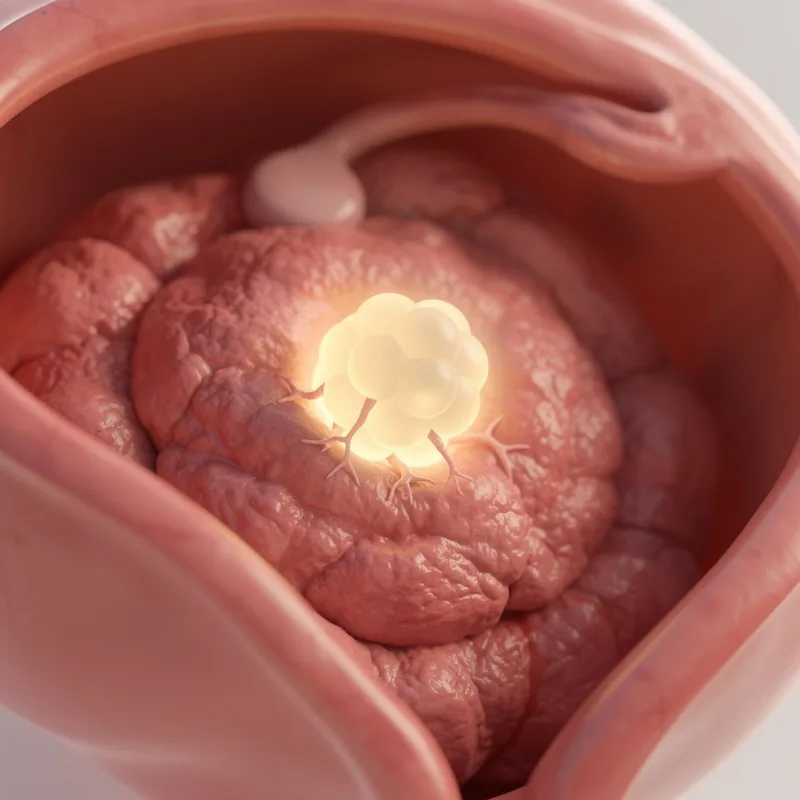
- Estrogen and progesterone continue to be secreted and are responsible for the proliferation of the endometrium in preparation for implantation of the fertilized ovum.
- embryo for implantation
Loading YouTube…
Watch on YouTubeOn top of that, there's a somewhat newer, but still now, you know, older technology called pre implantation genetic testing.
- On top of that, there's a somewhat newer, but still now, you know, older technology called pre implantation genetic testing.
- And at the moment if you have a genetic disease, then you go through IVF and you then do what's called pre implantation selection.
Examples
-
You bring up a great point about the difference between fertilization and implantation, the beginning of pregnancy.
Blog text (12) -
The other seven cells will go on to develop normally if that embryo is chosen for implantation in the client's uterus.
Blog text (22) -
Her argument draws upon the biological fact that a certain percentage of zygotes die naturally before implantation.
Blog text (3) -
Biologically understood, conception occurs only after a lengthy process has been completed and is more closely identified with implantation than fertilization.
Academic text (1990) -
Submucosal fibroids may distort the uterine cavity and impair implantation.
Academic text (2015) -
Successful implantation occurs when the fertilized egg adheres properly to the uterus wall.
-
During the first few days of pregnancy, the embryo undergoes crucial changes that lead to implantation in the uterus.
-
Doctors monitor the process of implantation carefully to ensure that the pregnancy progresses healthily.
Synonyms

The fertilized egg attaching to the lining of the womb to begin pregnancy
Antonyms

Surface Forms
Morphology
Etymology
Implantation comes from in- 'in' and plant 'to plant'. A helpful image is a fertilized egg 'planting' itself on the womb wall, so implantation means the egg attaches to the uterus.