
precipitant


 1
9.1
- noun
- /prɪˈsɪpɪtənt/
- Specialized
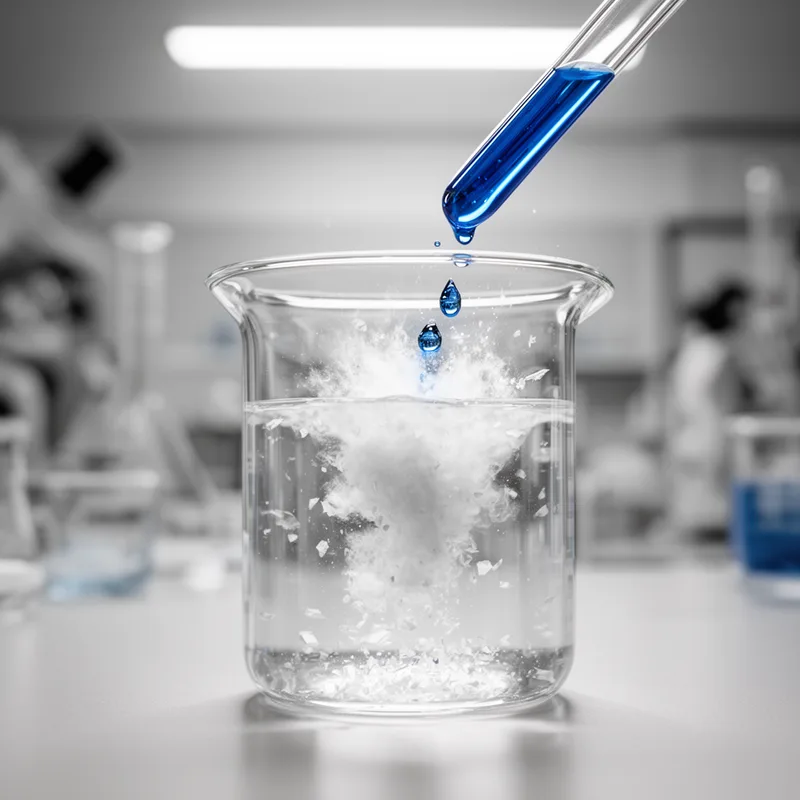
- In the laboratory, choosing the right precipitant is crucial for successfully obtaining the desired chemical precipitate.
Examples
-
Aluminum compounds typically produce very clear effluents, but reports indicate coagulant/precipitant dosage thresholds, so minimum dosage levels must be met before they work.
Academic text (1998) -
Sodium hydroxide is often used as a precipitant in experiments to form insoluble compounds from soluble reactants.
-
The choice of precipitant depends on the goals set and the desired long-term effects.
Academic text (1998) -
Chemical precipitants offer more than just phosphorus removal.
Academic text (1998) -
The major difference between the sulfate and chloride forms of chemical precipitant is in turbidity removal.
Academic text (1998) -
In addition, as coagulants and precipitants, they remove materials from the influent stream and deposit them in the residue.
Academic text (1998) -
When adding the barium chloride to the solution, the barium sulfate served as a precipitant, causing a solid to form.
Surface Forms
Morphology
precipitant = precipitate (transparent) = precipitate + ant
Formed by the verb 'precipitate' plus the agentive/adjectival suffix '-ant', yielding an agent or thing that causes precipitation; the derivation is morphologically regular though the term is technical.
Etymology
Precipitant comes from the Latin praecipitare, which means 'to throw down' or 'to fall headfirst', and is the same image behind precipitate and precipice. In chemistry a precipitant is a substance that makes solids 'fall out' of a solution, so the origin's idea of falling helps explain the modern meaning.