
polyphagous
- adjective
- /ˌpɒlɪˈfæɡəs/
- Specialized
- Similarly, 44% of the pathogen species were monophagous, three species (19%) were oligophagous, and 37% were polyphagous.
- polyphagous species
Examples
-
Of the high-impact species, 48% were classified as monophagous, 22% as oligophagous, and 29% as polyphagous.
Academic text (2010) -
Oligophagous insects tend to be capable of colonizing confamilial genera, and polyphagous species can generally colonize plants from many different families.
Academic text (1996) -
Species that feed on hosts representing multiple plant families were considered polyphagous.
Academic text (2010) -
They have been colonized exclusively by oligophagous (six) and polyphagous (six) species.
Academic text (1996) -
For example, polyphagous insect herbivores may have a greater impact in mixtures of suitable host plants in which they can increase their population size on one species and then spill over to another (Jactel and Brockerhoff 2007).
Academic text (2011) -
Nearly half of the insect and pathogen species on our complete list and on the high-impact list, however, were monophagous, whereas only 33% and 29% of the insects, respectively, were polyphagous or oligophagous.
Academic text (2010) -
When insect fauna in Britain were sampled, for example, only 25% of the species were polyphagous (Bernays and Graham 1988, Bernays and Chapman 1994).
Academic text (2010) -
Of these 34 North American species (17 Homoptera, 15 Hymenoptera, 6 Lepidoptera, 4 Coleoptera, 1 Thysanoptera, and 1 Diptera), most have followed their introduced North American host plants, except for five broadly polyphagous species.
Academic text (1996) -
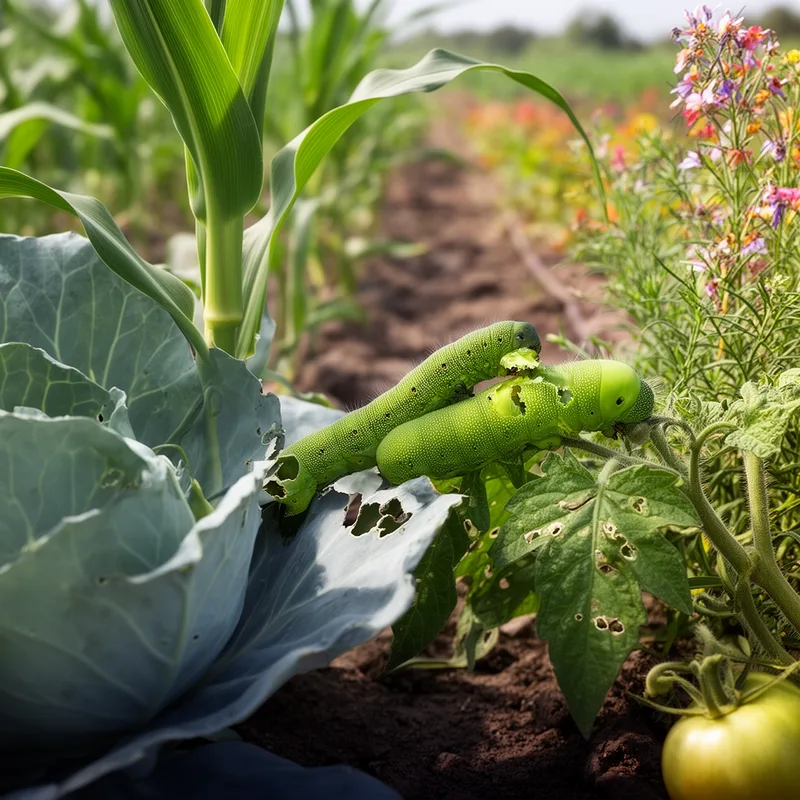
The polyphagous caterpillar can thrive on a variety of plants, making it adaptable to different environments.
-
Many polyphagous insects can feed on multiple types of flowers, which helps them survive in changing ecosystems.
Antonyms

How Specialized

Surface Forms
Morphology
polyphagous = poly + phag + ous
The word is a learned scientific formation meaning 'many-eating'; the prefix poly- is transparent, but the Greek element phag- is not a common standalone English base for most learners.
Etymology
Polyphagous breaks into two parts: poly- meaning 'many', like in polyglot, and -phagous meaning 'eating'. So a polyphagous animal eats many different kinds of food.

