
pollinator
 8
4.2

- noun
- /ˈpɒlɪneɪtər/
- Specialized
- Without pollinators, many foods such as apples and almonds would become scarce.
- bee pollinators
- migratory pollinators
- pollinator species
Loading YouTube…
Watch on YouTubeBecause if a pollinator is fooled, then that plant is rewarded.
- Because if a pollinator is fooled, then that plant is rewarded.
- So bees are nectar consuming pollinators?
- We depend on pollinators for over a third of the fruits and vegetables we eat and many scientists believe it's the most serious issue facing mankind.
- So let's buzz back to Kevin to chat about pollinators.
Examples
-
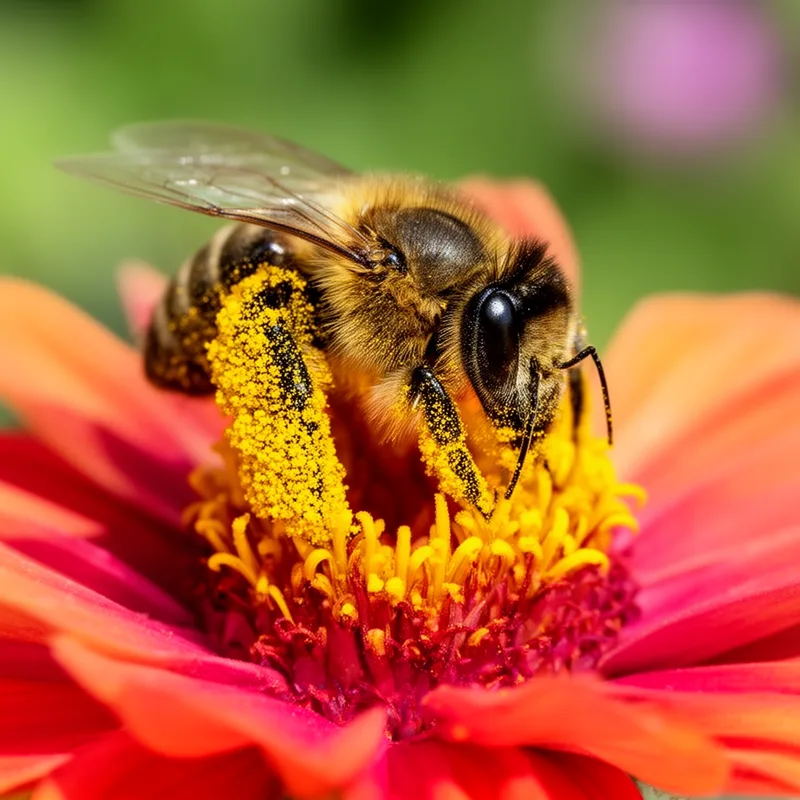
Many plants rely on a pollinator like a bee to transfer their pollen and help them reproduce.
-
In the Arctic, mosquitoes are the main pollinators of bog orchids.
Academic text (1992) -
It's a great pollinator plant that you can also use, as the photo implies, for tea, mint tea.
-
Research on the four pollinator species should greatly augment knowledge of their biology and conservation needs.
Academic text (1999) -
Bees are widely known pollinators, but mammals, birds, and other insects are also essential.
Academic text (2002) -
A collaborative effort on migratory pollinators aims to increase research, education, and conservation efforts.
Academic text (1999) -
We depend on pollinators for over a third of the fruits and vegetables we eat and many scientists believe it's the most serious issue facing mankind.
-
Two-thirds of wild plants depend on animal pollinators, as do three-quarters of crop plants.
Academic text (1999) -
Specifically, habitat degradation adversely affects pollinator food sources, nesting sites, and mating sites.
Academic text (1997) -
You can attract a wide variety of pollinators to your garden by planting bright flowers.
Synonyms

 1
7.0
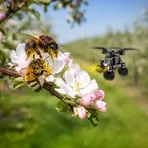
A living thing or machine that carries pollen from one plant to another so they can make seeds
How Effective

Surface Forms
Morphology
pollinator = pollinate (transparent) = pollin + ate + or
Agentive suffix '-or' attached to the verb 'pollinate' yields 'pollinator', a clear agent denoting 'one who pollinates'.
Etymology
Pollinator comes from the word pollen, which means 'fine dust from flowers', plus the ending -ator, which means 'one who'. So a pollinator is an insect or animal that moves that dust from flower to flower and helps plants make seeds.