
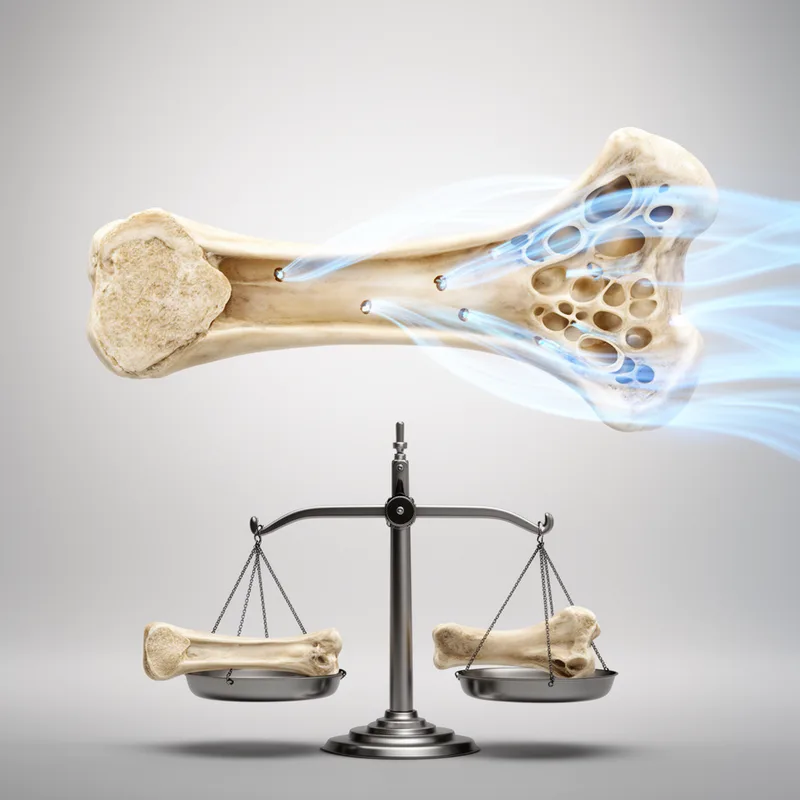
to pneumatize
- verb
- /njuːˈmæt.aɪz/
- Specialized
- The mastoid may be only partially pneumatized, if it is pneumatized at all.
- well-pneumatized
Examples
-
Computed tomography (CT) showed a bony mass arising from the mastoid region of the left temporal bone (figure 2, A), which was well pneumatized (figure 2, B).
Academic text (2008) -
The presence of edematous mucosa within a well-pneumatized temporal bone, therefore, becomes starkly prominent against a dark background.
Academic text (2008) -
Air appears black on these images, so an aerated and well-pneumatized temporal bone should appear mostly black.
Academic text (2008) -
The mastoid may be only partially pneumatized, if it is pneumatized at all.
Academic text (1996) -
Last, the middle turbinate, when pneumatized or hypertrophied, may touch the septum or lateral wall and thereby be instrumental in the etiology of midfacial pain.
Academic text (1994) -
The middle ear ossicles are frequently absent, the mastoid is hypoplastic and poorly pneumatized, and the middle ear and antrum may be absent or only a slit-like lumen.
Academic text (1996) -
Computed tomography revealed that the area was successfully pneumatized with air, indicating proper development.
-
In this procedure, we ensure that the sinus cavities are fully pneumatized to prevent complications later.
-
During the operation, the surgeons confirmed that the affected bone was properly pneumatized, reducing the risk of infection.
Synonyms

 44
2.9
44
2.9

To fill something with air so it becomes larger and round
 5
4.5
5
4.5
To put air into something, for example soil or liquid

To blow air, gas, or powder into a part of the body for medical use
How Air-Filled


Surface Forms
Morphology
pneumatize = pneumatic (opaque) = pneumat + ize
The biological sense (to fill with air) depends on a specialized combining form 'pneumat-' that is uncommon for general learners.
Etymology
The word pneumatize comes from the Greek root pneuma meaning 'air' or 'breath', the same root behind pneumatic. In biology, to pneumatize something is to make it 'air-filled', like bones or cavities, which is why the word means that today.