

plate armor
- noun
- /pleɪt ˈɑːrmər/
- Specialized
- The tank was fitted with thick plate armor to withstand direct hits.
Examples
-
Engineers inspected the damaged plate armor after the explosive impact.
-
Advances in plate armor revolutionized battlefield fortifications.
-
The soldiers wore plate armor during the battle.
-
Ancient knights often used plate armor for protection.
-
The tank was fitted with thick plate armor to withstand direct hits.
-
Engineers inspected the damaged plate armor after the explosive impact.
-
Advances in plate armor revolutionized battlefield fortifications.
Synonyms
 1
4.9
1
4.9

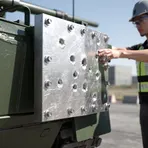
A thick metal sheet used to protect tanks, ships, or buildings from bullets and explosions
 1
4.2
1
4.2
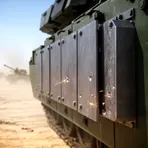
Thick hard metal plates that protect vehicles or buildings from enemy fire

A protective layer added to something to stop damage
Antonyms


How Protective
- Specialized
 1
4.1
1
4.1
Surface Forms
Morphology
The meaning is directly compositional: an item of armor made from plates, which a learner who knows 'plate' (a flat sheet/panel) and 'armor' (protective metal worn by soldiers) can infer. This noun–noun compound follows regular English compounding patterns and a similar logic exists in many languages, so a B1 learner knowing the constituents would readily understand it.
Etymology
Plate armor for walls or vehicles means thick steel plates fixed as armor to stop enemy fire. Picture a tank with big steel plates that stop bullets and shells, and you see why the term means 'metal plates used to protect' buildings or vehicles.