

plasmin
- noun
- /ˈplæz.mɪn/
- Specialized
- The body produces plasmin to help dissolve blood clots.
Examples
-
The body's natural production of plasmin is crucial for dissolving blood clots after injuries.
-
Doctors may measure plasmin levels to assess blood clotting disorders.
-
Activation of plasmin can prevent dangerous blood clots from forming in the veins.
-
The body's natural production of plasmin helps to ensure wounds heal without excessive clotting.
-
Researchers are studying plasmin for its role in clot management.
-
Doctors may measure plasmin levels in the blood to diagnose clotting disorders.
-
Activation of plasmin in the bloodstream helps to break down fibrin and prevent excessive clotting.
Synonyms

A substance the body makes that dissolves blood clots
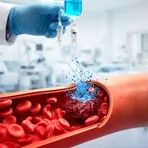
A medicine that helps break up blood clots
Antonyms

- Specialized
 5
6.9
5
6.9

A change when a liquid becomes thick and forms clots, like blood or milk
Surface Forms
Morphology
Etymology
Plasmin comes from the root plasm-, the same root in plasma, which means 'to form', and the ending -in names a protein. That's why plasmin is easy to remember: it is a blood protein that acts on formed clots and helps dissolve them.