
placental mammal


 1
4.9
1
4.9
- noun
- /pləˈsɛntəl ˈmæməl/
- Specialized
- The researchers selected species from all orders of placental mammals to study their evolutionary traits.
- placental mammals and marsupials
- lineages of placental mammals
- modern placental mammals
Loading YouTube…
Watch on YouTubeSo as far as we know, the Australian continent had no placental mammals except Homo sapiens until the Europeans came.
- So as far as we know, the Australian continent had no placental mammals except Homo sapiens until the Europeans came.
Examples
-
Nevertheless, New Zealand should have evolved other species as functional equivalents of placental mammals, just as Australia evolved big carnivorous lizards and marsupial mice as its own equivalents.
Academic text (1990) -
In other countries, most herbivores, carnivores, and small, scampering omnivores are placental mammals that couldn't reach New Zealand because of its remoteness.
Academic text (1990) -
Genetic evidence, which is another big problem for creationists, clearly shows that placental mammals
Blog text (18) -
So as far as we know, the Australian continent had no placental mammals except Homo sapiens until the Europeans came.
-
That's the bone that's found in the penis of most placental mammals... excluding man, of course.
-
Snakes are persistent predators of modern placental mammals, and according to Lynne Isbell, an anthropologist at the University of California, Davis, they may have been major driving forces of evolutionary change in mammals.
Academic text (2010) -
Edentates, such as anteaters and sloths, maintain the lowest body temperatures among placental mammals.
-
There are many types of placental mammals, including elephants, bears, and dolphins, each adapted to their unique environments.
Synonyms

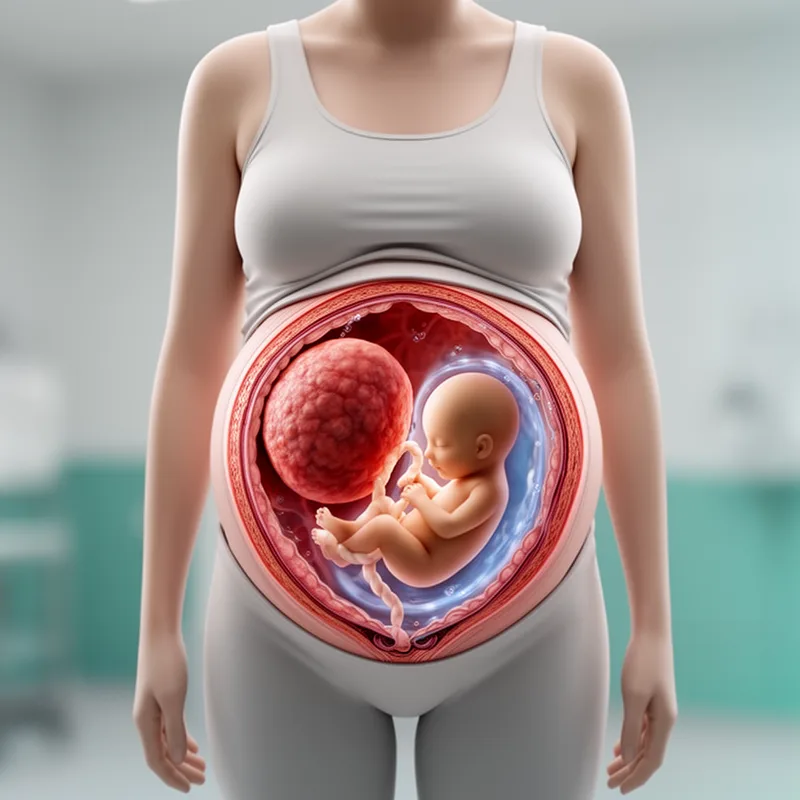
A mammal that has a placenta and nourishes its young before birth

A mammal that has a placenta and gives birth to developed young

A mammal that has a placenta and feeds its young before birth
Surface Forms
Morphology
The meaning is directly compositional: 'placental' (=related to a placenta) modifies 'mammal' to indicate mammals that have a placenta, so a learner who knows both constituents can infer the group. Although somewhat technical, the modifier+noun pattern is regular and mirrored in many languages, making the phrase transparently understandable.
Etymology
Placental mammal gets its name from the placenta, the organ that joins mother and baby inside the mother's body and helps 'feed' and protect the baby while it grows. So placental mammals are animals that carry and nourish their 'young' inside the mother, unlike animals that lay eggs or keep babies in a pouch.