
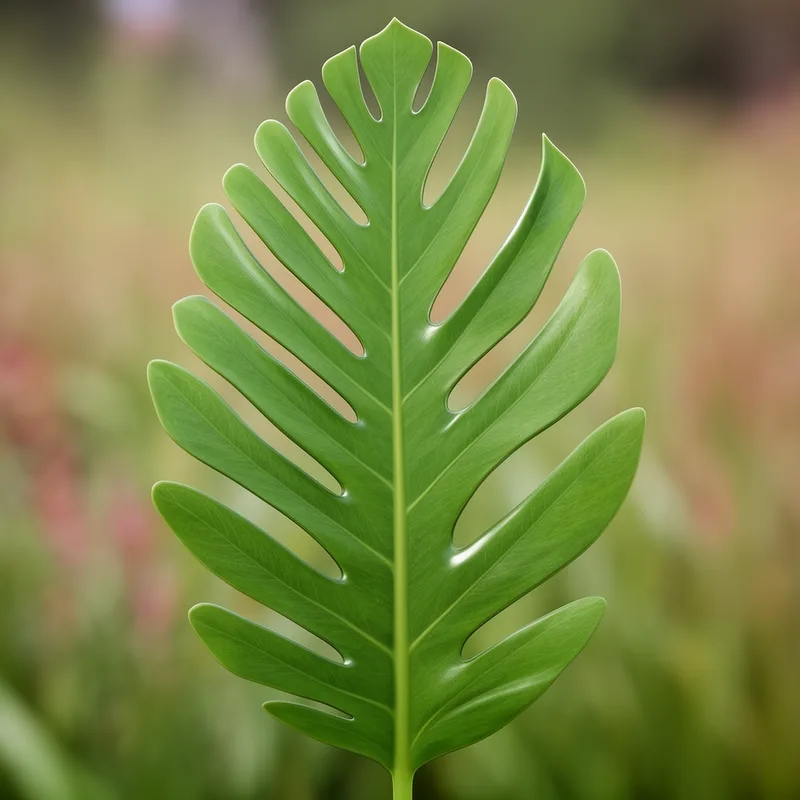
pinnatifid
- adjective
- /ˌpɪnəˈtɪfɪd/
- Specialized
- The pinnatifid leaves of the dandelion are deeply lobed but not separated into individual leaflets.
Examples
-
Many ferns have pinnatifid fronds, creating a feather-like appearance without full division.
-
The pinnatifid leaves of the dandelion feature deep lobes, yet they remain connected as a single leaf.
-
When identifying plants, the term pinnatifid is used to describe broad, deeply cut leaves.
-
Look at that pinnatifid leaf!
-
The pinnatifid leaves of the fern are quite distinctive.
-
Many ferns have pinnatifid fronds, which gives them a feather-like appearance due to their broad segments.
-
In botany, a leaf described as pinnatifid appears divided into broad segments without being fully separate leaflets.
Synonyms

A leaf cut deeply in a feather-like pattern nearly to the main vein but still one leaf
How Divided
- Specialized


 1
9.6
1
9.6

- Specialized
- Specialized
- Specialized
2
4.7
Surface Forms
Morphology
Etymology
The word pinnatifid comes from Latin parts pinna meaning 'feather' and -fid meaning 'split'. It describes a leaf that is 'split like a feather' into deep lobes toward the leaf's middle, so the leaf looks feather-like but stays one piece rather than separate leaflets.