

pinnate-leaved
- adjective
- Specialized
- You can identify the pinnate-leaved trees by the arrangement of their leaflets along the stem.
Examples
-
Many acacias are easily recognized by their pinnate-leaved foliage.
-
The pinnate-leaved ferns grew abundantly along the forest floor.
-
Some botanists specialize in studying pinnate-leaved species in tropical regions.
-
The pinnate-leaved plant thrives in tropical climates.
-
Is that a pinnate-leaved species of fern?
-
The pinnate-leaved plants in the garden showcase their unique leaf structure beautifully.
-
Many species of the pinnate-leaved plants are popular among gardeners for their attractive foliage.
Synonyms


 1
9.6
1
9.6
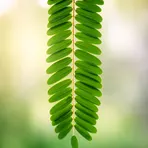
A leaf with small leaflets on each side of a central stem like a feather

Leaves that have many small parts arranged on both sides of a central stem
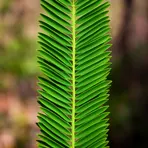
Divided into many small leaves arranged along both sides of a central stem like a feather
Surface Forms
Morphology
Etymology
Pinnate-leaved comes from the Latin pinna, which means 'feather'. A helpful image is a feather with little parts on each side of its central shaft, because pinnate leaves have small leaflets arranged along a middle stem in the same way.