

pine spittlebug
- noun
- /paɪn ˈspɪtəlˌbʌg/
- US
- We found several masses of frothy foam, a sign of the pine spittlebug, on the branches.
Examples
-
The pine spittlebug can cause significant damage to pine trees in forested areas.
-
Foresters monitor pine spittlebug infestations to protect young pine plantations.
-
The pine spittlebug is known for its frothy secretions.
-
Many pine spittlebugs infest pine trees in the summer.
-
Foresters monitor pine spittlebug infestations to protect young pine plantations.
-
The pine spittlebug can cause significant damage to pine trees in forested areas.
-
We found several masses of frothy foam, a sign of the pine spittlebug, on the branches.
Synonyms
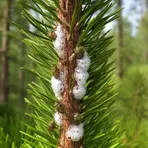
A small insect that feeds on pine trees and makes foam on branches

A small insect that feeds on pine trees in northern United States and makes foam on needles
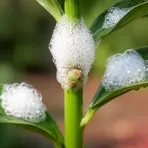
A small insect that eats plants and lives inside a frothy foam on stems and leaves
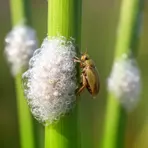
A small jumping insect that lives in frothy bubbles on plant stems to protect its young
Surface Forms
Morphology
The compound is directly compositional: 'spittlebug' names an insect that produces frothy secretions and 'pine' specifies the host tree, so the meaning 'a spittlebug associated with pine trees' is immediately derivable from the parts. This noun+noun modifier pattern is a common, transparent formation in English (and many languages), so a B1 learner who knows both constituents would understand the MWE.
Etymology
Pine spittlebug comes from what the insect does: it is a small bug on pine trees that makes frothy spittle that looks like spit on the branches. So the name helps you picture the insect and remember it by the foam it leaves.

