

pine-weed
- noun
- US
- The fields were covered in pine-weed, brightening the landscape with its tiny yellow blooms.
Examples
-
The pine-weed thrives in sandy soil.
-
Have you seen the pine-weed blooming this spring?
-
After pulling up the pine-weed, the farmer noticed the soil was much clearer.
-
Some gardeners find pine-weed difficult to control due to its persistent growth.
-
The fields were covered in pine-weed, brightening the landscape with its tiny yellow blooms.
-
After pulling up the pine-weed, the farmer noticed the soil was much clearer.
-
Some gardeners find pine-weed difficult to control due to its persistent growth.
Synonyms

A small yearly North American plant with thin stems, tiny flat leaves, and yellow flowers
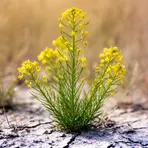
A small plant that lives for one year with thin stems and tiny yellow flowers
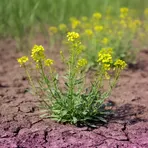
A small yearly weed with thin wiry stems, tiny flat leaves, and small yellow flowers
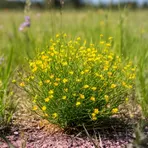
A small North American weed with thin stems, tiny leaves, and yellow flowers
Surface Forms
Morphology
Etymology
Pine-weed is made of pine and weed, because this small plant has thin stems and very small, scaly leaves that can remind people of a tiny pine. The weed part means 'a plant people do not want', so the name helps you remember a small, unwanted plant that looks a bit like a pine.

