

pin grass
- noun
- US
- Cattle in the region often graze on pin grass during the dry season.
Examples
-
Gardeners sometimes plant pin grass as a forage crop for livestock.
-
The slender fruits of pin grass stick straight up after the plant flowers.
-
The pin grass is thriving in the warm climate.
-
Farmers often cultivate pin grasses for their livestock.
-
Cattle in the region often graze on pin grass during the dry season.
-
Gardeners sometimes plant pin grass as a forage crop for livestock.
-
Farmers often cultivate pin grass for its nutritional value as animal feed.
Synonyms


 1
9.9
1
9.9
A small wild plant with reddish fernlike leaves and tiny purple flowers that animals eat
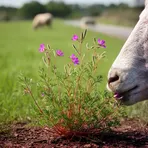
A small European weed with reddish stems, fernlike leaves, and pink-purple flowers often eaten by farm animals
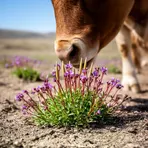
A small wild plant with thin red stems and small purple flowers that gives food to animals in spring

A small plant often found as a weed with red stems, feathery leaves, and pink-purple flowers

A low plant with reddish stems and leaves like a fern often found in fields and eaten by animals
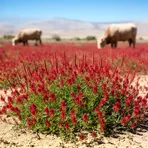
A spreading plant with reddish flowers grown for animal food

A plant from Europe with red stems and lavender flowers grown for animal food
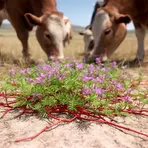
A plant with red creeping stems, fernlike leaves, and small reddish lavender flowers eaten by cattle
Surface Forms
Morphology
pin + grass
The noun 'grass' makes it clear to a B1 learner that this refers to a kind of plant, and the modifier 'pin' plausibly suggests a small or pointed quality, so learners can infer it is a type of grass. However, the precise botanical identity and the specific features in the definition (reddish stems, fernlike leaves, forage use) are not predictable from the constituents alone, so the phrase is only partially transparent.
Etymology
The name pin grass may come from the plant's thin, upright seed parts that look like little pins sticking up from the grass. So, the name now refers to a common 'weed' people use as 'forage' for animals.