
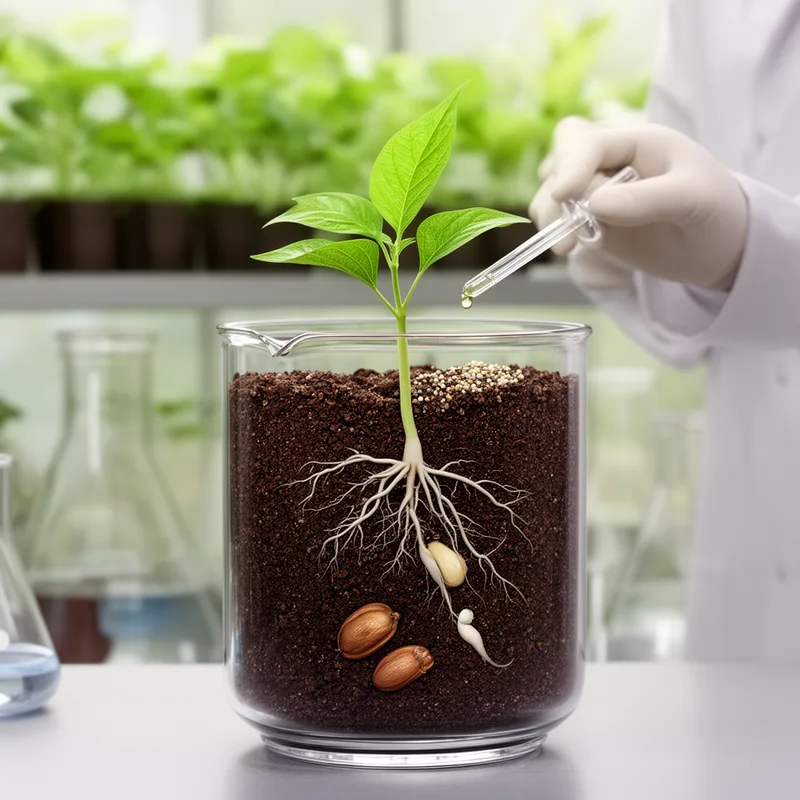
phytic
- adjective
- /ˈfaɪtɪk/
- Specialized
- Her research focuses on the phytic development of seeds under different environmental conditions.
Examples
-
Scientists analyzed the phytic properties of the new fertilizer to improve crop yields.
-
The phytic characteristics of the soil influenced the types of vegetation that could grow there.
-
The phytic nature of the soil affects plant growth.
-
In phytic environments, plants thrive better.
-
The phytic properties of soil are essential for understanding how different species of plants may thrive.
-
Researchers found that phytic compounds in soil can significantly enhance plant growth and health.
-
In studies about phytic growth, scientists have observed how specific nutrients impact the development of various plants.
Surface Forms
Morphology
phytic = phyt + ic
The combining form 'phyt-' (meaning 'plant') appears in scientific vocabulary, so learners with some exposure to botanical terms may infer 'relating to plants', but it is technical and not transparent to general learners.
Etymology
Phytic comes from the Greek root phyto- meaning 'plant', so a helpful way to remember it is 'about plants'. That's why scientists use phytic to describe plant growth, plant parts, or other plant features.

