
phytic
 1
9.6

- adjective
- /ˈfaɪtɪk/
- Specialized
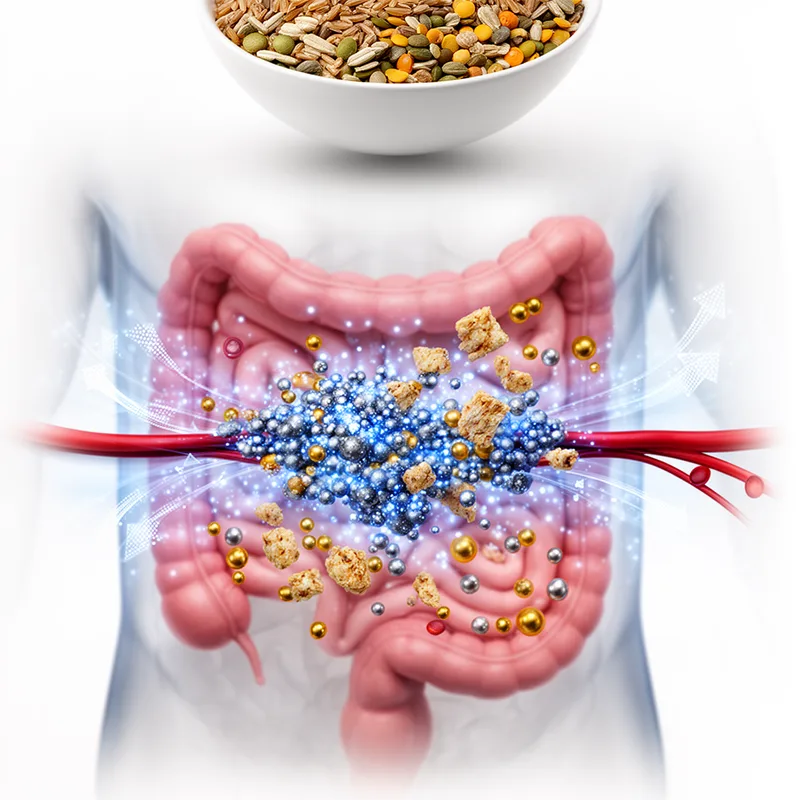
- Some whole grains may contain high levels of phytic acid, which can affect nutrient absorption.
Loading YouTube…
Watch on YouTubeAnd the primary toxin that I'm focused on today is oxalate and also phytic acid.
- And the primary toxin that I'm focused on today is oxalate and also phytic acid.
- Now I do want to mention that sprouting or going through a process of fermentation help negate and destroy phytic acid.
- So a really nice example for example, sorry, is the phytic acid.
- Do you eat well, I'm actually, I mean people will debate about phytic acid and things like that, but what do you eat?
Examples
-
Many nutritionists recommend soaking seeds to reduce their phytic acid content and enhance mineral bioavailability.
-
That said, fermented soy products can be included in a balanced diet, as long as they are organic, since the fermentation process reduces the phytic acid content and produces natural probiotics.
Blog text (10) -
Foods rich in phytic acid, like beans and nuts, can be beneficial for health when consumed in moderation.
Surface Forms
Morphology
phytic = phyt + ic
Refers to a specific chemical (phytic acid); the combining form 'phyt-' is technical and not a recognizable standalone English base, so learners cannot reliably derive this meaning from common vocabulary.
Etymology
Phytic comes from the Greek root phyto- meaning 'plant', and it was named for the acid that is found in plant seeds and grains. So, phytic refers to things 'from plants', and phytic acid in seeds can reduce how the body uses some minerals.