
phylliform
- adjective
- /ˈfɪlɪˌfɔrm/
- Specialized
- The fossil showed a phylliform imprint, suggesting it was once a leaf-bearing plant.
Examples
-
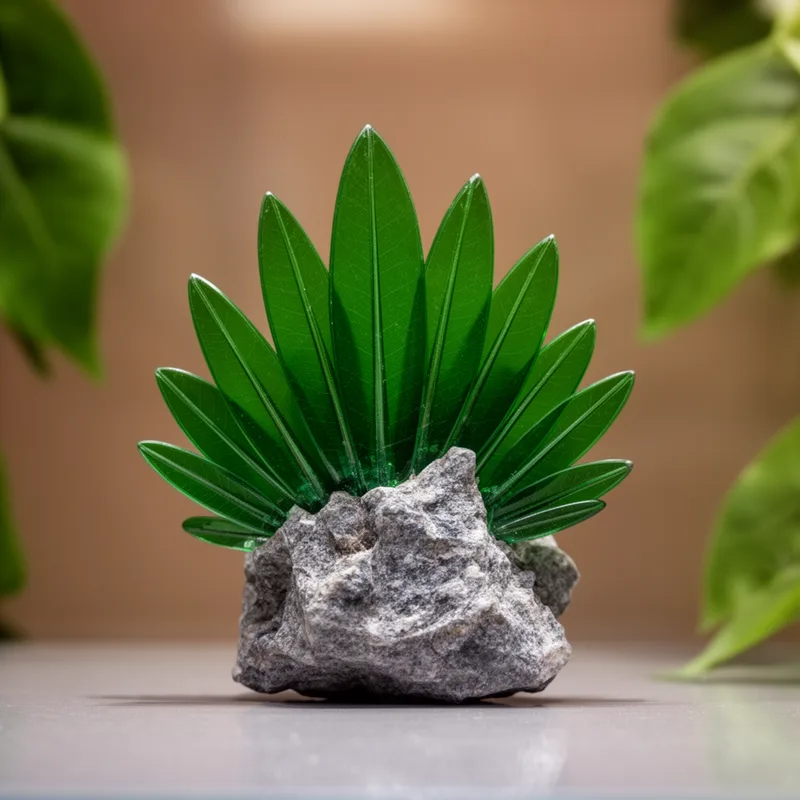
The mineral's phylliform crystals spread out like tiny green leaves.
-
Some insects have evolved phylliform wings to better camouflage themselves among foliage.
-
The leaves are phylliform.
-
Is this leaf phylliform?
-
Some insects have evolved phylliform wings to better camouflage themselves among foliage.
-
The mineral's phylliform crystals spread out like tiny green leaves.
-
The fossil showed a phylliform imprint, suggesting it was once a leaf-bearing plant.
Synonyms

Having the shape or look of a leaf

Having the shape of a leaf

Having many leaves or looking like leaves on plants
Having many leaves or parts that look like leaves
How Leaf-Like

Surface Forms
Morphology
Etymology
Phylliform comes from the Greek root phyll- meaning 'leaf' and the part -form meaning 'shape'. You can see phyll- in chlorophyll, the green part of leaves, so phylliform means 'having the shape or form of a leaf'.

