

foliaceous
- adjective
- /ˌfoʊliˈeɪʃəs/
- Specialized
- Some algae have foliaceous structures that allow them to absorb sunlight efficiently.
Examples
-
This plant is known for its foliaceous stems, which resemble large green leaves.
-
The foliaceous branches of the shrub created dense shade in the garden.
-
The foliaceous plant thrived in the humid environment.
-
Many foliaceous species can be found in tropical rainforests.
-
Some algae have foliaceous structures that help them gather sunlight for photosynthesis.
-
The foliaceous branches of the tree provided a lush canopy, making the area cool and inviting.
-
This plant features foliaceous growth, giving it a vibrant, leafy appearance ideal for gardens.
Synonyms

 28
1.6
28
1.6

Having many leaves that give shade
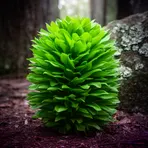
Having many leaves or parts that look like leaves

Covered with many leaves like a tree or bush

Having leaves or parts like leaves, for example three leaflets

Having flat green parts on stems that make food for the plant

Having the shape of a leaf

Having the shape or look of a leaf

Shaped like a leaf

A plant that has long divided leaves like a fern or palm
How Leafy

Surface Forms
Morphology
foliaceous = foli + aceous
The word uses the classical combining form 'foli-' plus '-aceous', but this is not transparent to most learners and the leaf-related meaning is not recoverable from ordinary English word knowledge.
Etymology
Foliaceous comes from the Latin root foli- meaning 'leaf' and is the same root as in foliage, so it describes plants or algae that are full of leaves or have parts that look like leaves.