

pharyngeal tonsil
- noun
- /ˌfɛrɪnˈdʒil ˈtɒnsəl/
- Specialized
- Infections can cause the pharyngeal tonsil to swell, leading to discomfort and nasal blockage.
Examples
-
Surgical removal of an enlarged pharyngeal tonsil is sometimes necessary when breathing is obstructed.
-
The pharyngeal tonsil plays a role in the immune response during childhood.
-
The pharyngeal tonsil plays a role in the immune system.
-
Children often have enlarged pharyngeal tonsils.
-
Infections can cause the pharyngeal tonsil to swell, leading to discomfort and nasal blockage.
-
Surgical removal of an enlarged pharyngeal tonsil is sometimes necessary when breathing is obstructed.
-
The pharyngeal tonsil plays a crucial role in defending the body against infections in early life.
Synonyms

 5
7.4
5
7.4

A mass of soft tissue behind the nose that can swell in children
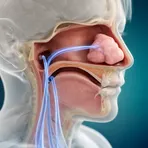
A soft lump of tissue at the back of the nose that can block breathing

A mass of soft tissue at the back of the nose above the throat that helps fight infection

A mass of soft tissue at the back of the nose that can block breathing

A mass of soft tissue at the back of the nose that can block breathing
Surface Forms
Morphology
The meaning ('a tonsil in the pharynx') is directly and compositionally derived from 'pharyngeal' (relating to the pharynx) + 'tonsil' (lymphatic tissue). This follows standard anatomical naming conventions that are cross-linguistically regular, so a B1 learner who knows the constituent words would readily infer the MWE meaning.
Etymology
The noun pharyngeal tonsil is a name that describes where it sits: pharyngeal means 'back of the throat' and tonsil means a small lump of tissue that helps fight infection. So the term refers to the lump behind the throat that can swell and block breathing.