
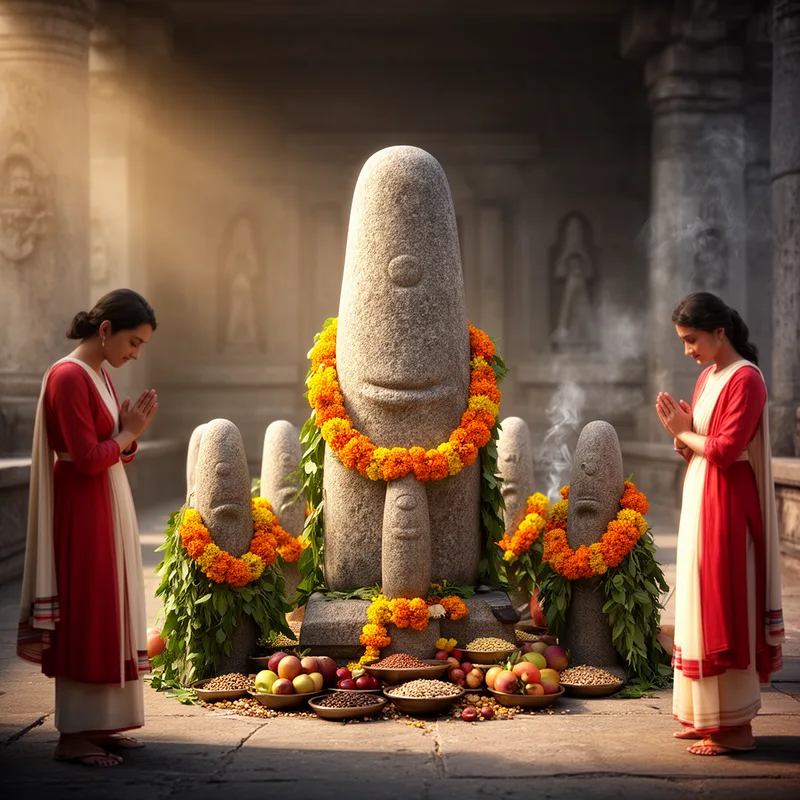
phallicism


 1
9.9
- noun
- /ˈfælɪkɪzəm/
- Formal
- Some critics noted the subtle phallicism present in the artist's sculptures.
Examples
-
Historians have studied the role of phallicism in early religious ceremonies.
-
The ancient Greeks practiced phallicism during their fertility rituals.
-
The ancient temple was decorated with symbols of phallicism to honor fertility gods.
-
Many cultures have embraced phallicism as a symbol of fertility.
-
In ancient cultures, phallicism was often a central theme in fertility rituals and ceremonies.
-
The exhibition featured various artworks that explored phallicism and its significance in different cultures.
-
Many historians study phallicism to understand its role in ancient religious practices and symbolism.
Synonyms
 9
9.0
Worship of images or objects as gods
 1
9.8
Belief that objects have special powers and deserve worship
 1
9.9
A belief that people worship an object because they think it has magic power
 1
9.9
Worship of religious images like pictures and statues

A practice of worshipping religious images like paintings or statues
How Central to Belief

Surface Forms
Morphology
Etymology
The word phallicism comes from the Greek root phallos meaning 'penis'. In many old cultures people used phallic shapes as signs of 'fertility' or 'power', so phallicism can mean the worship or use of those shapes in religion or culture.