

fetishism
 1
9.8
1
9.8

- noun
- /ˈfɛtɪʃɪzəm/
- Specialized
- The gold coin shining in Corley's palm at the end of "Two Gallants" is a fitting tribute to this commodity fetishism which so pervades and paralyzes Joyce's Dublin.
- commodity fetishism
Loading YouTube…
Watch on YouTubeWell, we can do commodity fetishism with traits or genes.
- Well, we can do commodity fetishism with traits or genes.
Examples
-
In some societies, fetishism is evident in the rituals performed for inanimate objects believed to hold significant spiritual meaning.
-
Indians, it seems, were well into, to use Marx's language, "commodity fetishism" and "exchange relations," phenomena supposedly only characteristic of modern industrial society.
Academic text (1996) -
The three male characters of the novel correspond clearly to three stages in the development of fetishism in the male child and adult.
Academic text (1992) -
Well, we can do commodity fetishism with traits or genes.
-
But then, a second phase of amnesia sets in that is quite unknown to primitive fetishism.
Academic text (1990) -
For example, the critique of commodity fetishism rests on the idea that a material commodity is, in fact, the product of historically specific networks of dynamic social relations.
Academic text (2014) -
There were, on the other hand, an abundance of superstitious beliefs such as faith healing, bloodletting, and fetishism which were commonly accepted, not for their genuine effectiveness and relevance, but because people did not know what else to do.
Academic text (1993) -
The same high mental faculties which first led man to believe in unseen spiritual agencies, then in fetishism, polytheism, and ultimately in monotheism, would infallibly lead him, as long as his reasoning powers remained poorly developed, to various strange superstitions and customs.
Blog text (21) -
The relinquishment of important ties in a market economy not only produces ethical trauma and a cynical reconsideration of what is a fungible and non-fungible item, but also leads people to have a less spiritual outlook and a deeper engagement with cultural fetishism.
Academic text (2006) -
Many tribal cultures believe in fetishism, where objects like stones or masks are seen as having magical powers.
Synonyms
 9
9.0
9
9.0
Worship of images or objects as gods

A belief that people worship an object because they think it has magic power
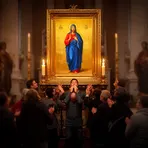
A practice of worshipping religious images like paintings or statues

Giving too much value to symbols instead of what they stand for

A strong respect for objects or signs that stand for ideas

Excessive worship of symbols like pictures or icons
How Superstitious

Surface Forms
Morphology
Etymology
Fetishism comes from the Portuguese word feitiço, first used by sailors to name objects they saw people treat like a 'charm' with power. So, fetishism can mean the belief that certain objects have magical power and are worthy of worship.