

pesticide
 108
3.5
108
3.5

- noun
- /ˈpɛstɪˌsaɪd/
- Specialized
- Farmers often spray pesticide on their crops to protect them from insects.
- pesticide regulations
- pesticide use
- apply pesticides
Loading YouTube…
Watch on YouTubeBut but the curious thing is, why should a pesticide have these mental effects for us?
- But but the curious thing is, why should a pesticide have these mental effects for us?
- You know, like it's just massive, massive amount of pesticides put on our food.
- Since being appointed, he is set to dismantle the agency's pesticide research apparatus.
- And they are often times exposed to pesticides, which cause serious health concerns.
- The other part, like your anger about the pesticides that kill bees, I would call rational.
- And yet most people I think will be exposed to pesticides.
- And and I'm just not a fan of foods raised with pesticides.
- When we've tested and others have tested produce for pesticides.
- She unknowingly in her neighborhood were surrounding farms and they were using pesticides and spraying without notification.
- And it, it traditionally requires a lot of pesticides to control or, or frequent pesticide application.
- So it turns out very luckily for us that you can measure pesticide exposure in the urine.
- But this looks specifically at the impact on the honeybee gut of neonicochinoid pesticides.
- An organic means it's not, it's not GMO, there's no chemicals or fertilizers or pesticides.
- And I, I will state we rarely have to use any other type of organic based pesticide.
- When they eat westernized foods which are full of seed oils, refined grains, processed sugars, pesticides, food dyes, they become ill.
- So organic is the organic requirement is that you can't use synthetically derive, you know, pesticides, herbicides.
Examples
-
Made without toxins, free from pesticides, formaldehyde and other harsh chemicals.
-
In general, each dollar invested in pesticide control returns approximately $4 in crops saved.
Academic text (1992) -
So it turns out very luckily for us that you can measure pesticide exposure in the urine.
-
Drift occurs with almost all methods of pesticide application, including both ground and aerial equipment.
Academic text (1992) -
Cooperation between representatives of the pesticide industry and environmental and state associations is what is needed.
Academic text (1992) -
The wind will carry pesticides across cities, parks, farms and schools.
-
Therefore, I have ordered the spraying of the pesticide Phythyon.
-
In summary, these sources regard rotenone as a relatively safe pesticide for use in agriculture and animal husbandry.
Academic text (2008) -
The overuse of pesticide and fertilizer is one of the main contaminants for water pollution.
-
Organically grown, no artificial fertilizers, and no pesticides.
Synonyms
 26
4.1
26
4.1
A chemical used to kill insects that harm crops or homes
 22
6.4
22
6.4
A poisonous chemical used to kill insects that is now banned in many countries
 20
4.1
20
4.1
A chemical that kills unwanted plants like weeds
 5
5.6
5
5.6
A chemical that kills or stops fungus on plants
 4
3.2
4
3.2
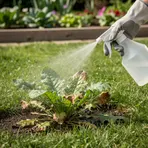
A substance that kills unwanted plants in gardens or on lawns
 2
8.1
2
8.1
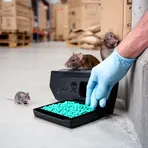
A poison used to kill rats or mice
 1
6.9
1
6.9
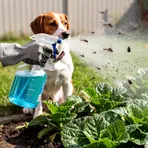
A chemical made by people that kills insects and keeps them away from animals and plants
 1
3.5
1
3.5
A chemical that kills unwanted plants like weeds


 1
7.5
1
7.5
A chemical that kills harmful living things like bacteria or fungi

A product that kills fully grown insects like mosquitoes
Compounds

- Specialized
1
4.9
Illness happens when you touch, breathe, or eat chemicals that kill pests
How Toxic
- Specialized
1
7.5

- Specialized
108
3.5
- Specialized
26
4.1
18
4.2
1
7.0
Surface Forms
Morphology
Etymology
Pesticide comes from the Latin word pestis meaning 'pest' or 'plague' and the ending -cide meaning 'to kill', the same ending you see in insecticide and homicide. So, a pesticide is a chemical made to 'kill' pests that damage crops or spread disease.