
persistent
 1
7.5
1
7.5

- adjective
- /pərˈsɪstənt/
- Specialized
- The mushroom species is known for its persistent caps, which can last through winter before finally decaying.
Examples
-
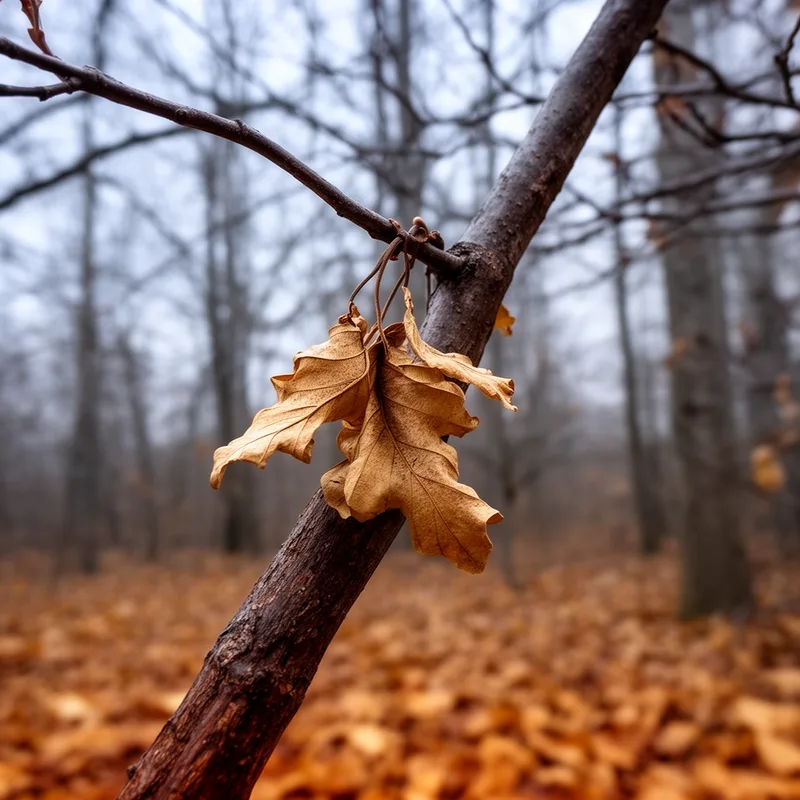
They get beautiful red berries, which are persistent, which means they hang on.
-
Some shrubs have persistent gills that stay attached even after the bulk of the foliage has shed.
-
So if you can find fruiting trees that say persistent, those are the best ones to plant.
-
Illustration shows the persistent cord of thymic tissue and the areas where a cyst might develop.
Academic text (2010) -
The characterization of blackgum as persistent and resistant (Batista and Platt 2003) seems to apply throughout its range.
Academic text (2007) -
The leaves of the oak tree are persistent and remain for many months before falling in autumn.
Synonyms
 650
3.2
650
3.2
Continuing for a long time and unlikely to change
 38
3.1
38
3.1
Continuing to be present or useful for a long time
 27
3.7
27
3.7
To stay the same or work well for a long time
 11
2.7
11
2.7
Having green leaves all year
 1
4.2
1
4.2
Continuing for a long time without fading
Antonyms
How Long

Surface Forms
Morphology
Etymology
Persistent comes from the Latin persistēre, from per- 'through' and sistere 'to stand'. Think of leaves that keep 'standing' on a plant beyond the usual time, just like the English word stand, so persistent parts stay attached longer.