

permeance
8.6
The ability of a material to let gases or water vapor pass through it
- noun
- /ˈpɜrmiəns/
- Specialized
:
permeabilidad
- The permeance of the fabric allows moisture to escape, keeping the wearer dry.
Examples
-
All affected materials should be evaluated for porosity (permeance).
Academic text (1994) -
When building a house, it's important to consider the permeance of materials to prevent moisture buildup.
-
High permeance in insulation helps maintain energy efficiency by allowing proper ventilation.
Synonyms

 3
7.4
3
7.4

How easily liquid or gas passes through a material like soil
focuses on allowing gases or vapors, especially water vapor, to pass through
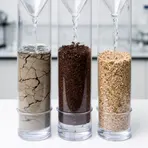
8.8
How easily liquid moves through a material
centers on gases and vapors rather than liquid passage
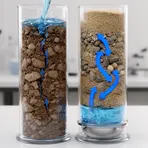
8.0
How easily water moves through rock or soil
applies to gas and vapor passage rather than water flow rates in soil
Antonyms
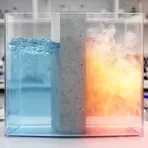
How Permeable

Surface Forms
permeance singular
permeances plural
Morphology
Etymology
Permeance comes from parts per- 'through' and meare 'to go', and it is the same idea you see in permeate and permeable. So, permeance is about how easily gases or water vapor can 'go through' a material.