
passive immunity
- noun
- /ˈpæsɪv ɪˈmjunɪti/
- Specialized
- While passive immunity offers immediate protection, it does not last as long as active immunity.
Examples
-
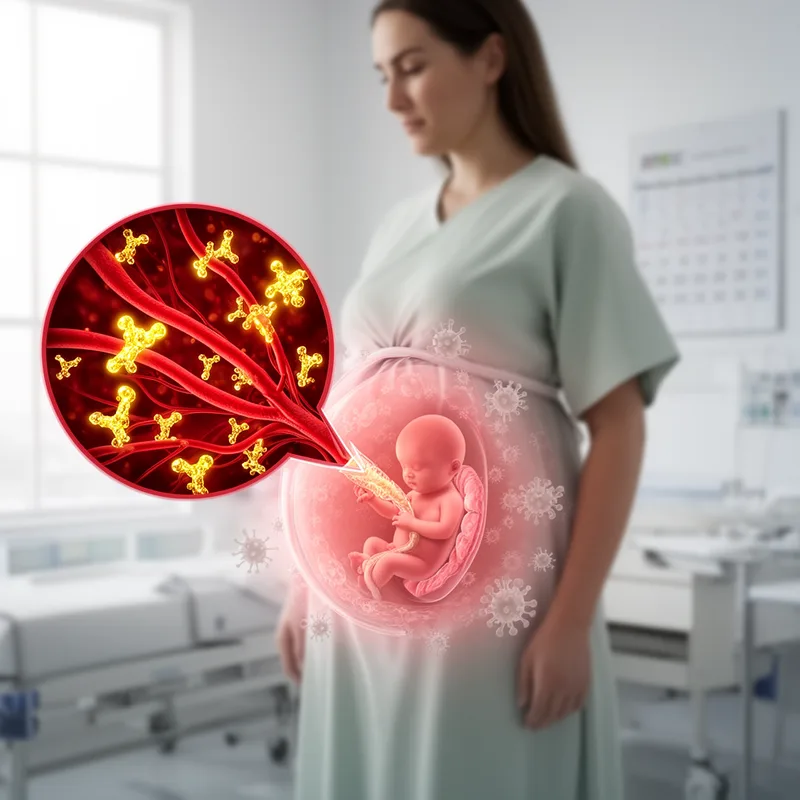
Newborn babies receive passive immunity from their mothers through antibodies passed via the placenta.
-
Passive immunity occurs when a baby receives passive immunity through breast milk.
-
A patient can be given passive immunity by injecting them with antibodies to fight a specific infection.
-
The baby received passive immunity from breast milk.
-
Vaccination can provide passive immunity against certain diseases.
-
After receiving the vaccine, the doctor explained that passive immunity can also be obtained from an injection of antibodies.
-
The doctor clarified that passive immunity is temporary and fades away once the introduced antibodies are eliminated from the body.
Antonyms

- Specialized
Protection your body makes using antibodies after an infection or vaccine
How Immune
- Specialized
 101
3.5
101
3.5


- Specialized
- Specialized
11
7.1
Surface Forms
Morphology
The compound pairs 'passive' (not actively produced / received from elsewhere) with 'immunity' (biological resistance), so a learner can reasonably infer it refers to resistance that is received rather than generated by the person. However, the temporary nature and the mechanism (transfer of antibodies) are specialized medical details unlikely to be deduced by a B1 learner from the parts alone, so the relation is only partially predictable.
Etymology
Passive immunity comes from the idea of getting protection you did not make yourself: passive means 'received' and immunity means 'protection from disease'. Imagine a mother passing antibodies to her baby or a doctor giving antibodies by injection; you get a ready-made shield that works quickly but does not teach your body to fight, so the protection is 'temporary'.