
parenchymatous


 1
9.9
- adjective
- /pəˈrɛŋkɪˌmætəs/
- Specialized
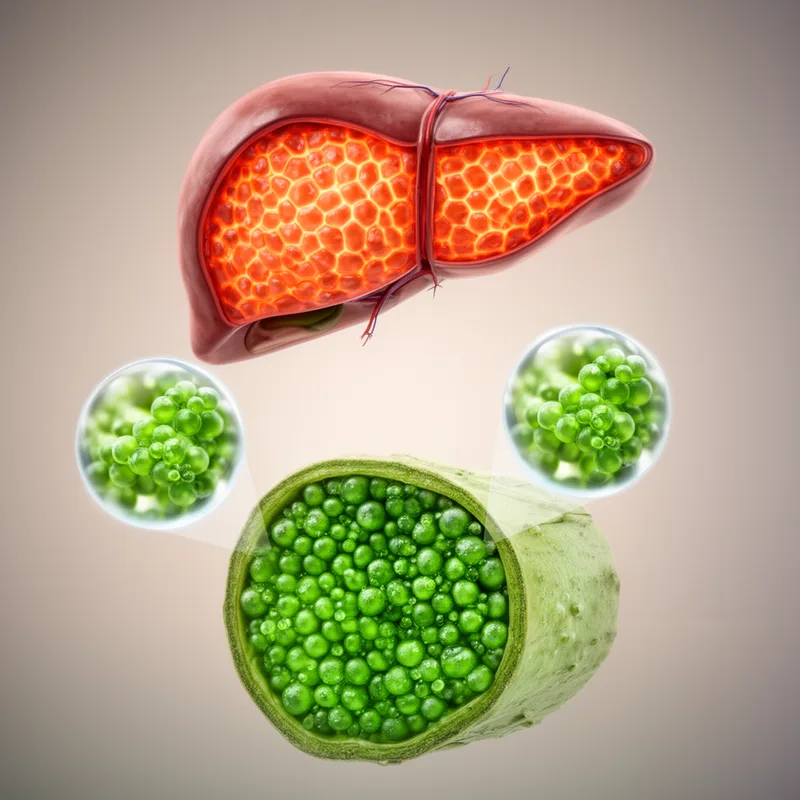
- The parenchymatous tissue in the liver performs crucial metabolic functions.
Examples
-
Botanists studied the parenchymatous cells to understand how plants store nutrients.
-
Damage to parenchymatous organs can seriously affect overall health.
-
The parenchymatous tissue in the liver is responsible for most of its metabolic functions.
-
Plants with parenchymatous cells are often more resilient to environmental stress.
-
The parenchymatous tissue in the liver is responsible for most of its metabolic functions.
-
Botanists studied the parenchymatous cells to understand how plants store nutrients.
-
Plants with parenchymatous cells are often more resilient to environmental stress.
Synonyms
 1
9.9
The working tissue inside an organ or plant that does its job
Surface Forms
Morphology
parenchymatous = parenchyma (transparent) = parenchyma + ous
The adjective is a straightforward adjectival formation meaning 'relating to or consisting of parenchyma', so knowing 'parenchyma' allows predictable inference.
Etymology
The word parenchymatous comes from Greek parenchyma, originally meaning 'something poured in', with the part para- meaning 'beside' and a root meaning 'to pour'. Think of it as the soft 'filling' or main tissue poured into an organ, which is why parenchymatous describes the organ's main working tissue rather than its support tissue.