
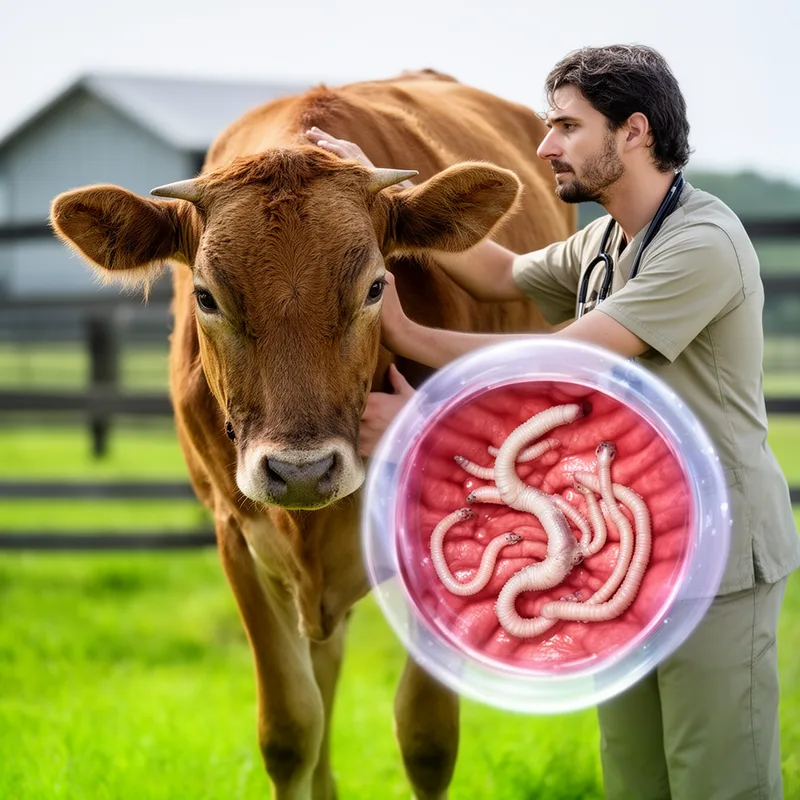
parasitical
 1
7.2
1
7.2

- adjective
- /ˌpærəˈsɪtɪkəl/
- The answer is you won't, and the rest of you worthless parasitical pustules will go extinct as well.
Examples
-
The very use to which Vautrin intends to put this money is parasitical in nature.
Academic text (1993) -
The entertaining film Independence Day concerns an effort by parasitical aliens to seize this planet for their use by destroying all human life.
Academic text (1999) -
According to Serres, human nature is not fundamentally predatory but parasitical.
Academic text (1993) -
This is Benjamin: "For the first time in world history, mechanical reproduction emancipates the work of art from its parasitical dependence on ritual."
Academic text (2004) -
In the Taeuber case, an author's unequivocal caption merely offers it for consumption by a parasitical text whose argument is already written.
Academic text (2014) -
Taking Wayne Booth's statement that deconstruction is "plainly and simply parasitical" (278) as his text, Miller deconstructs its key term, parasite.
Academic text (2001) -
Benjamin stresses the radical newness of the final phase: "For the first time in world history, mechanical reproduction emancipates the work of art from its parasitical dependence on ritual." (n96)
Academic text (2006) -
Some parasites are parasitical organisms that live off their hosts, often harming them in the process.
-
The parasitical relationship between the fungus and the tree can lead to the tree's eventual death.
-
In nature, parasitical creatures exploit their hosts to thrive and reproduce.
Synonyms
 10
5.7
10
5.7
Of a living thing that lives on or in another and takes food
How Parasitic

Surface Forms
Morphology
Etymology
Parasitical comes from the Greek word parasitos, which means 'one who eats at the table of another' and is the same root as parasite. So a parasitical illness is caused by parasites that live on or in a body and take food from their host.