
pace
 42
1.0
42
1.0

- noun
- /peɪs/
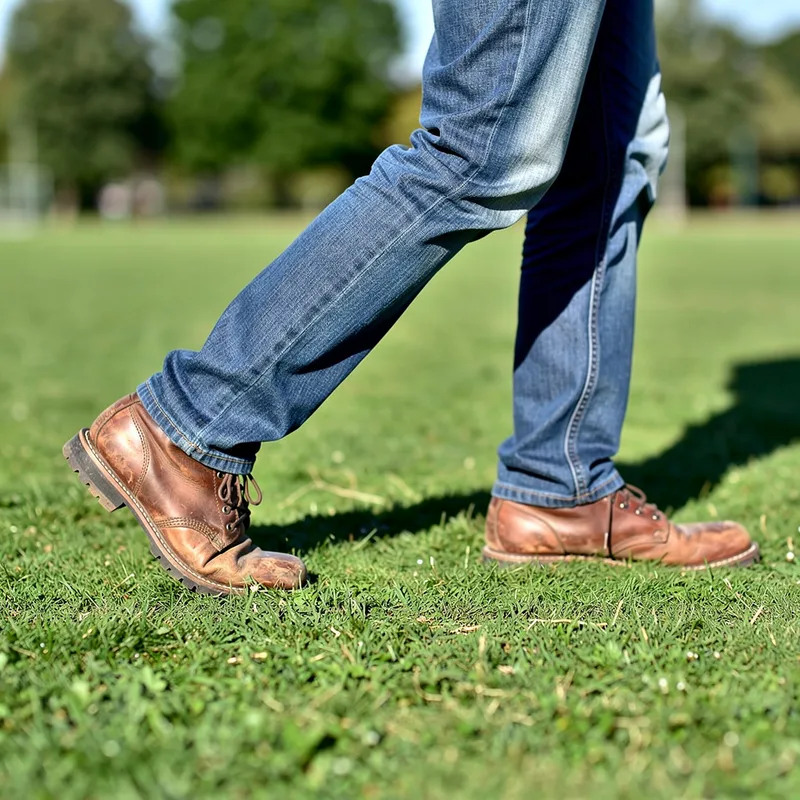
- Still silent, she finally moved forward two paces and stopped in front of him.
Examples
-
Hector, as usual, is walking some paces behind his master, and he carries a large satchel of documents.
Fiction book (1993) -
During that hour, I had done nothing but pace up and down in my own house.
Fiction book (1992) -
Volunteers for a special mission... will step one pace forward.
-
Students also read at their own pace and take the computerized test when they finish their books.
Academic text (2004) -
They chanted military songs in one voice and kept pace as they advanced.
-
Students who worked at different paces could check their work after completing the practice problems in the MSW.
Academic text (2015) -
Outside the plant, they walked hurriedly; she was a few paces behind him, her voice raw and loud.
Fiction book (1993) -
In one unforgettable case, a creature, described as larger than an Irish wolf hound kept pace with a car for well over a mile.
-
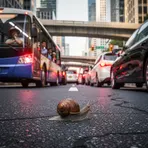
My learning proceeds at a snail's pace, much too slow for my impatience and eagerness.
Academic text (1998) -
He took his time, finding a comfortable pace as he walked along the beach.
Synonyms
 86
1.0
86
1.0
One movement of a foot when walking
 77
1.0
77
1.0
The distance covered by one foot when you walk
 65
1.6
65
1.6
A long step when you walk or run
 6
6.5
6
6.5
A single step or the sound a foot makes when walking
Antonyms


Idioms
Compounds

- Informal
18
3.2
An activity that is different from your normal routine to give you a pleasant break




- Jargon
1
7.2
The first time cars go around the track in a race when drivers go slowly to prepare for the start



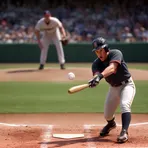
- Specialized
A baseball pitch thrown much slower than expected to surprise a batter
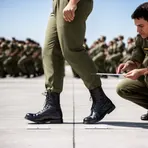


Surface Forms
Etymology
Pace comes from the Latin word passus meaning 'step' and the Old French pas meaning 'step'. So a pace is literally a step or the distance covered by one step, which is why people use it for a single step or its length.