

to pace


 1
3.9
1
3.9
- verb
- /peɪs/
- He watched the dog pace back and forth along the fence, clearly anxious to go outside.
Loading YouTube…
Watch on YouTubeI did not know I was sitting here with just a man that was riding that paced baby all the way to the finish line.
- I did not know I was sitting here with just a man that was riding that paced baby all the way to the finish line.
Examples
-
Behind me down the muddy trail, the dog paced again.
Fiction book (1990) -
The horses keep pacing nervously.
Fiction book (1990) -
The escort continued to pace them, sleek and inscrutable.
Fiction book (2001) -
They paced behind Silver, tails low, ears flicking constantly for a sound.
Fiction book (1990) -
Morgen paced the length of the observation lounge, looking for all the world like a caged beast.
Fiction book (1991) -
The llamas set off and paced down the trail into the wheelgrass, to the east, the opposite direction from where the craft from Station usually landed.
Fiction book (1998) -
The horse began to pace rhythmically around the ring before the performance started.
-
As the rider encouraged her, the stallion began to pace steadily, showcasing its smooth gait.
Synonyms
 2
9.9
2
9.9
To move with a fast, smooth four-beat gait

To move in a smooth, fast four beat way used by some riding horses
Antonyms

Idioms
Phrasal Verbs


Compounds

- Informal
18
3.2
An activity that is different from your normal routine to give you a pleasant break




- Jargon
1
7.2
The first time cars go around the track in a race when drivers go slowly to prepare for the start
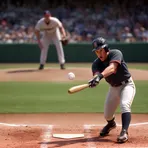
- Specialized
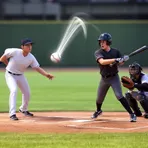
A baseball pitch thrown much slower than expected to surprise a batter


How Fast

Surface Forms
Etymology
Pace comes from the Latin passus meaning 'step' and the Old French pas meaning 'step'. This fits animals too: a pace is the steady way an animal moves, a particular gait or pattern of steps.