
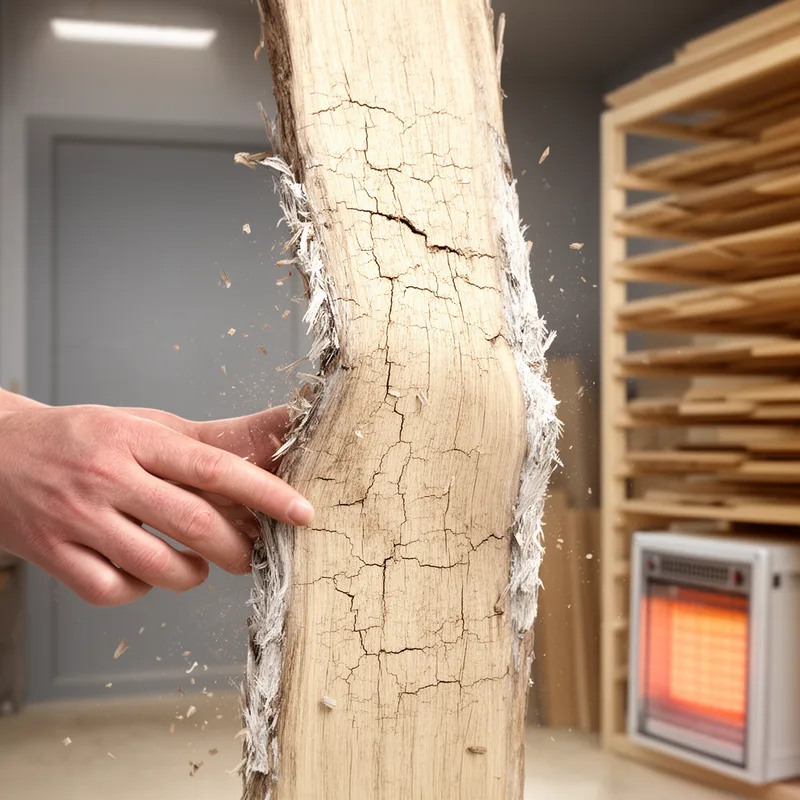
to overseason
- verb
- /ˌoʊvərˈsiːzən/
- Specialized
- The chef warned not to overseason the cast iron pan, as it could develop a sticky surface.
Examples
-
If you overseason the wood, it may become brittle and crack during use.
-
If you overseason the wood, it may become brittle and crack during use.
-
They accidentally overseasoned the meat, making it tough and dry after cooking.
-
Don't overseason the chicken!
-
The chef overseasoned the soup yesterday.
-
The chef warned that if you overseason the cast iron pan, it could develop a sticky surface.
-
They accidentally overseasoned the meat, which resulted in a tough and dry texture after cooking.
Antonyms

How Treated


Surface Forms
Morphology
overseason = season (semi-transparent) = over + season
Formally regular as 'over-' + 'season', but the specialized sense 'to season' meaning 'to cure or age' is less familiar to many learners, so inference may be only partly reliable.
Etymology
Overseason also uses over- ('too much') with season in the older sense 'to make ready, dry, or cure', as in 'seasoned wood' or a 'seasoned pan'. So to overseason something this way is to treat or dry it for 'too long', which can cause damage like cracking or drying out.