
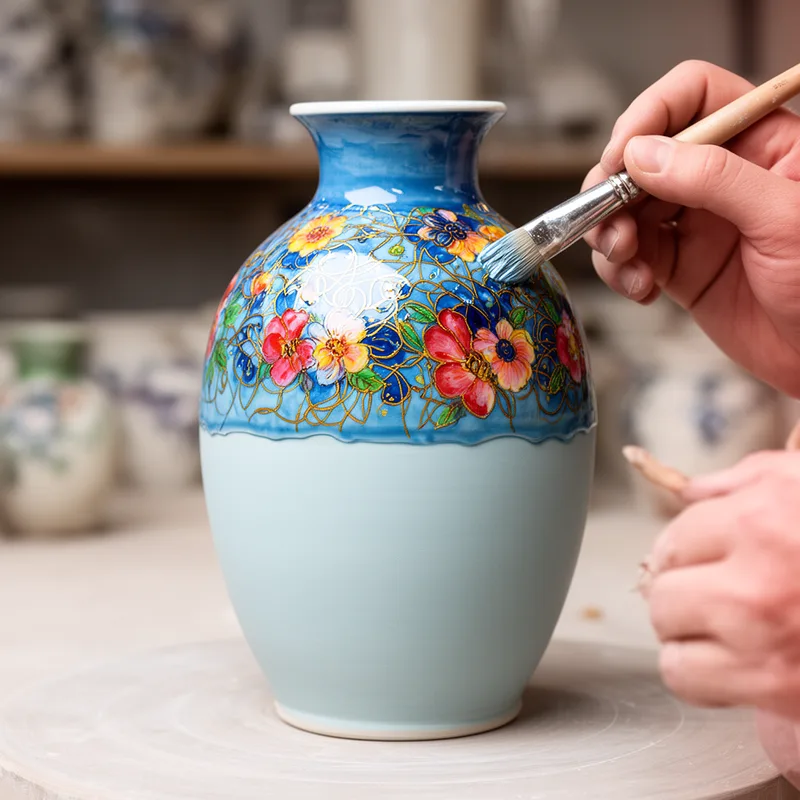
overglazing
- noun
- /ˌoʊvərˈɡleɪzɪŋ/
- Specialized
- The artist specializes in overglazing techniques.
Examples
-
Restorers examined the overglazing to determine the age of the ceramic plate.
-
Some antique dishes feature colorful overglazing that enhances their decorative appeal.
-
The artist added a layer of overglazing to give the vase a glossy finish.
-
I love the effect of overglazing on pottery.
-
The artist used overglazing to enhance the vibrancy of the ceramic bowl's colors.
-
During the pottery class, we learned that overglazing can add a shiny finish to our pieces.
-
The final step in my ceramic project was overglazing to ensure a smooth and glossy appearance.
Synonyms

 1
5.7
1
5.7

A final layer of paint or varnish that protects a surface

 1
5.0
1
5.0
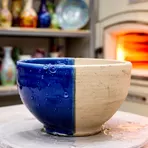
A glass layer melted onto pottery by heat to decorate and protect it
A protective layer like paint put on top of a surface to keep it safe
A clear, thin layer put on wood or other surfaces to protect them and make them look shiny
How Decorated
- Specialized
 43
3.7
43
3.7
Surface Forms
Morphology
Etymology
The word overglazing comes from over- meaning 'on top' and glaze which is like the word 'glass' and means a 'shiny layer'. That's why overglazing means putting another shiny or decorative layer on top of an already glazed piece of pottery.