overcoating

overcoating

6.3
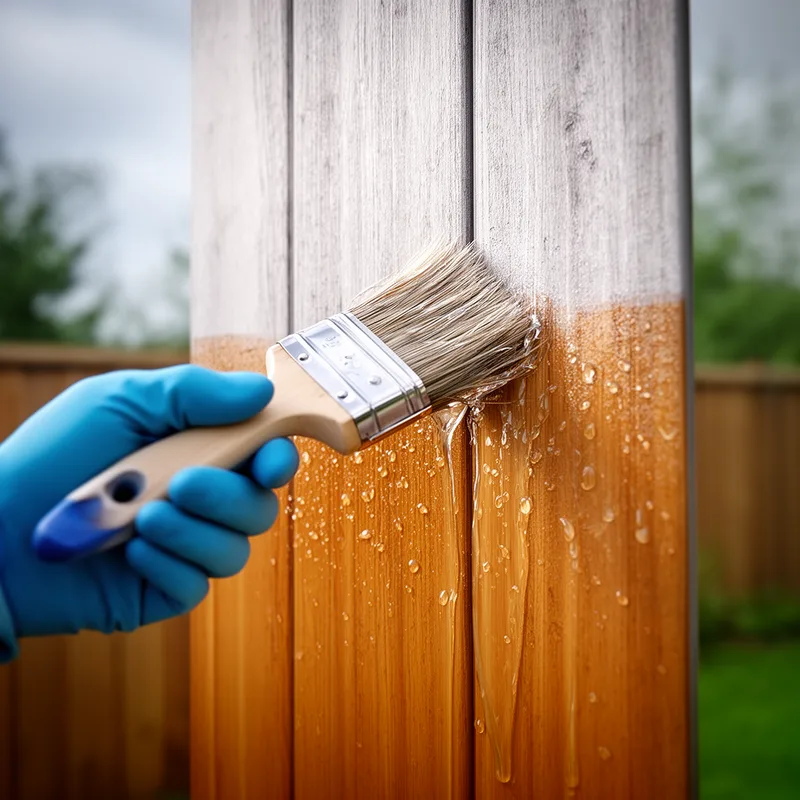
A protective layer like paint put on top of a surface to keep it safe
  • noun
  • /ˈoʊvərˌkoʊtɪŋ/
translation icon : capa adicional
  • Applying an overcoating of varnish can help protect the wooden furniture from water damage.

Examples

  • Before winter arrives, make sure to apply an overcoating on the exterior surfaces to safeguard them from harsh weather.

  • For tanks with lead-based alkyd finishes, these coatings provide a good base coat that prevents lifting for effective overcoating of hazardous lead particles.

    Academic text (1996)
  • The artist added an overcoating to the painting to give it a glossy finish and enhance its colors.

Synonyms

glaze
vsovercoating
43 3.7

A smooth shiny coating on food or pottery

is a more general added protective layer rather than a specific glossy finish
coating
vsovercoating
35 3.4

A layer of material that covers a surface to protect or decorate it

is specifically an extra protective layer placed over an existing surface
coat of paint
vsovercoating
14 2.3

A single layer of paint that covers a surface

is about an extra protective layer applied over an existing surface, not just any single layer
fresh coat of paint
vsovercoating
5 2.4

A new layer of paint that makes a surface look newer

is an added protective layer concept that is not limited to newly applied cases
overcoat
vsovercoating
1 5.7

A final layer of paint or varnish that protects a surface

is the same extra layer idea but emphasized as the general added covering
topcoat
vsovercoating
  • Specialized
1 3.9

A final layer of paint or finish that protects a surface

is an extra layer applied over an earlier surface rather than the final alone
overpaint
vsovercoating
  • Specialized
1 7.6

A coat of paint added over earlier paint

is the general act of adding an extra protective layer above an existing surface
waterproofing
vsovercoating
1 3.3

A material you put on something to keep water out

is a general extra protective layer that may not specifically stop water
finish coat
vsovercoating
  • Specialized
5.0

The last layer of paint or varnish that makes a surface smooth and look complete

is used as an additional protective layer placed over an existing surface
finishing coat
vsovercoating
  • Specialized
4.0

The last layer of paint or varnish that makes a surface look complete
is focused on being an added protective layer above an earlier surface
finishing
vsovercoating
  • Specialized
3.4

A thin layer on wood or metal that protects and looks good

is narrowly the act of adding an extra protective layer over an existing surface
overglazing
vsovercoating
  • Specialized
7.8

A shiny or decorative layer put on top of the first coat on baked pottery
is a broader extra protective layer not restricted to ceramic glazing processes
enameling
vsovercoating
  • US
6.5

The glass-like layer on an object or the way that layer looks
is a general extra protective layer not limited to hard glossy materials
overlayer
vsovercoating
  • Specialized
8.0

A layer of material added over walls or floors for protection and support

is an extra protective layer applied over existing surface rather than structural reinforcement
armoring
vsovercoating
  • US
4.7

A protective layer added to something to stop damage

is focused on a general protective layer rather than heavy defensive reinforcement

Antonyms

106 2.0

Taking something or someone away from a place

How Protective

topcoat
  • Specialized
1 3.9
overcoating
6.3
undercoat
  • Specialized
1 4.3

Surface Forms

overcoating singular
overcoatings plural

Morphology

overcoating = overcoat (transparent) = over + coat + ing

The verb 'overcoat' is a clear combination of the productive prefix 'over-' + 'coat' meaning to apply a layer on top, so adding '-ing' yields the gerund/nominal 'overcoating'.

Etymology

Overcoating comes from the parts over- meaning 'on top' and coat meaning 'a covering', like the coat you wear. So an overcoating is a layer put on top of another layer to protect or finish a surface.