

overcompensation
 3
7.2
3
7.2

- noun
- /ˌoʊvərˌkɒmpənˈseɪʃən/
- It falls apart at the slightest nudge and everything they do is an overcompensation to protect that fragile ego.
- classic overcompensation
Loading YouTube…
Watch on YouTubeBut then there's the overcompensation and arguably we shift into the virtue signalling.
- But then there's the overcompensation and arguably we shift into the virtue signalling.
- It falls apart at the slightest nudge and everything they do is an overcompensation to protect that fragile ego.
Examples
-
And we think most of them are overcompensations for their nervousness.
-
But sometimes the overcompensation can be a little silly.
Academic text (1996) -
A desire that, as it often does, leads to unnecessary overcompensation.
Blog text (22) -
I say "wall" because they don't really believe they're good enough; it's an overcompensation.
Blog text (16) -
I think his ultra-conservatism (which is mild stuff by modern standards) was overcompensation.
Blog text (31) -
Tell me, did it quell the insecurity that feeds your intellectual overcompensation?
Blog text (27) -
His excessive spending on luxury items is an example of overcompensation for his feelings of inadequacy.
-
Many athletes engage in overcompensation by pushing their bodies to extremes to hide their fears of failure.
-
Her constant need to impress others is merely a form of overcompensation for her low self-esteem.
Synonyms
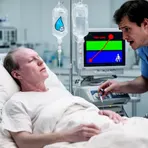
A medical change that is too strong and causes harm, for example lowering blood sugar too much
How Excessive
3
7.2

- Specialized
19
7.4
Surface Forms
Morphology
overcompensation = overcompensate (transparent) = over + compensate + ion
The noun is directly formed by adding the deverbal suffix '-ion' to the verb 'overcompensate', whose meaning is clearly 'to compensate excessively'.
Etymology
Overcompensation is made from over- meaning 'too much' and compensate meaning 'to make up for'. So it describes trying too hard to make up for a weakness or feeling of not being good enough, often by going too far the other way.