

os
- noun
- /ɑs/
- Specialized
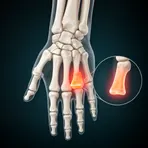
- During the examination, she discovered a fracture in a small os of the wrist.
Examples
-
The resection exposed the sphenoid os, which was then enlarged.
Academic text (2005) -
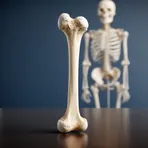
The doctor explained that the femur is the longest os in the human body.
-
By studying fossils, researchers can learn about the structure of ancient os.
Synonyms
 ∞
1.0
∞
1.0

A hard part inside the body that forms the skeleton
Compounds


- Specialized
A large bone in the middle of the wrist that joins the middle finger bone


- Specialized
A bone at the back of the roof of the mouth that helps form the nose and eye socket floor

- Specialized
A small pea-shaped bone on the little finger side of the wrist that touches only one other wrist bone


- Specialized
A large bone at the front of the skull that forms the forehead and upper eye sockets



- Specialized
A small wrist bone on the thumb side that joins the base of the thumb and index finger

- Specialized
A small bone in the wrist that connects to the pisiform, hamate, and lunate bones


- Specialized
A bone near the base of the thumb that is the largest bone in the wrist

- Specialized
A small round bone inside a tendon where it passes over a joint, often in hands or feet

- Specialized
A butterfly-shaped bone at the base of the skull that helps form the eye sockets and support the brain

Surface Forms
Etymology
Os (meaning 'bone') comes from Latin os/ossis, which meant 'bone'. So this sense of os names a bone, and you can see the same root in the English word ossify ('to turn into bone').