
orphaning
- noun
- /ˈɔrfənɪŋ/
- Specialized
- Good page design avoids orphaning to make text easier to read.
Examples
-
The editor adjusted the layout to prevent orphaning in the final printed book.
-
Modern word processors include features to automatically reduce orphaning in documents.
-
The orphaning of lines can disrupt the flow of reading.
-
I noticed an orphaning at the end of the chapter.
-
Careful formatting can help avoid orphaning, enhancing the overall visual appeal of the page.
-
To improve readability, many publishers prioritize layouts that minimize orphaning in printed materials.
-
Designers aim to eliminate orphaning from documents to create a more seamless reading experience.
Synonyms


 1
9.7
1
9.7
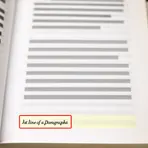
The first line of a paragraph that appears alone at the bottom of a page
Surface Forms
Morphology
Etymology
Orphaning in printing borrows the same root orphan from Greek orphanos meaning 'without parents'. A helpful way to remember this use is to picture a single line left 'alone' at the top or bottom of a page like an 'orphan', which is why designers try to avoid orphaning.