
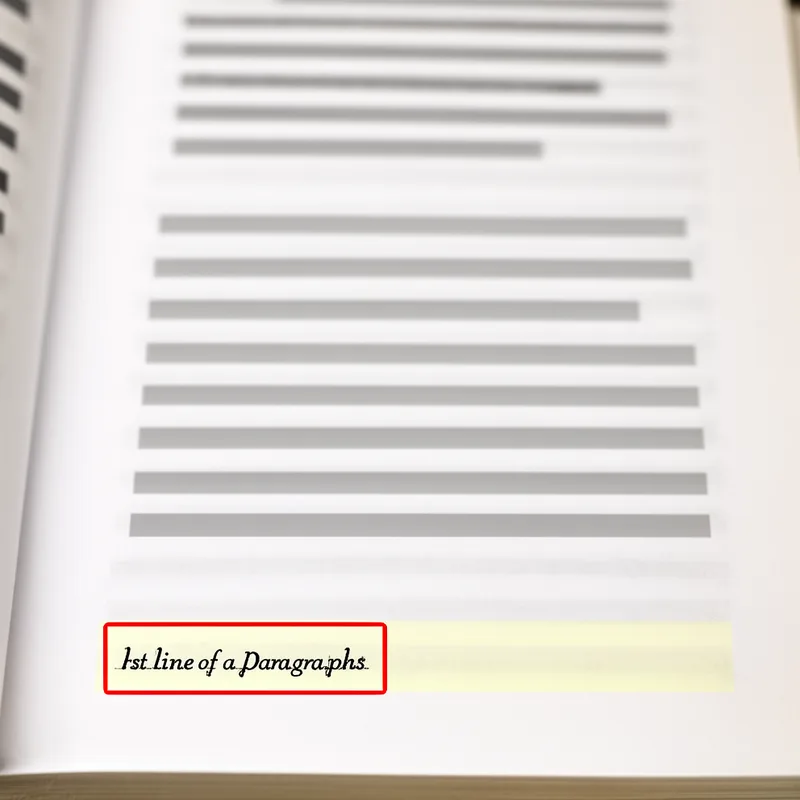
orphan


 1
9.7
1
9.7
- noun
- /ˈɔrfən/
- Specialized
- I imagine comic books are written this way, and I know some authors intentionally use widows and orphans to add to the paragraph structure.
Examples
-
I use "orphan" control to prevent a paragraph from being started at the bottom line of the page and leaving a line floating, in a manner of speaking.
Blog text (16) -
I've seen cells with round, clear nuclei that stare back at me like Little Orphan Annie.
Academic text (1993) -
This article is an orphan, as no other articles link to it.
Blog text (8) -
The old woman drowsed beneath an overhang of Orphan Annie hair.
Fiction book (1995) -
I'd like scrolling much more if it would dispense with the useless animation of text flying past my face, and if widow/orphan control was handled properly.
Blog text (5) -
In typesetting, an orphan refers to the first line of a paragraph that is left alone at the bottom of a page.
-
To avoid creating an orphan, editors adjust the layout so that entire paragraphs are always contained within the same page.
-
The designer explained that an orphan can disrupt the flow of reading by isolating a single line of text.
Compounds

- Specialized
A place polluted by toxic waste with no person or company responsible for cleaning it
Surface Forms
Etymology
Orphan in printing comes from Greek orphanos 'left alone', and it names a first line of a paragraph that appears alone at the bottom of a page, like a line that has been 'left alone'.