
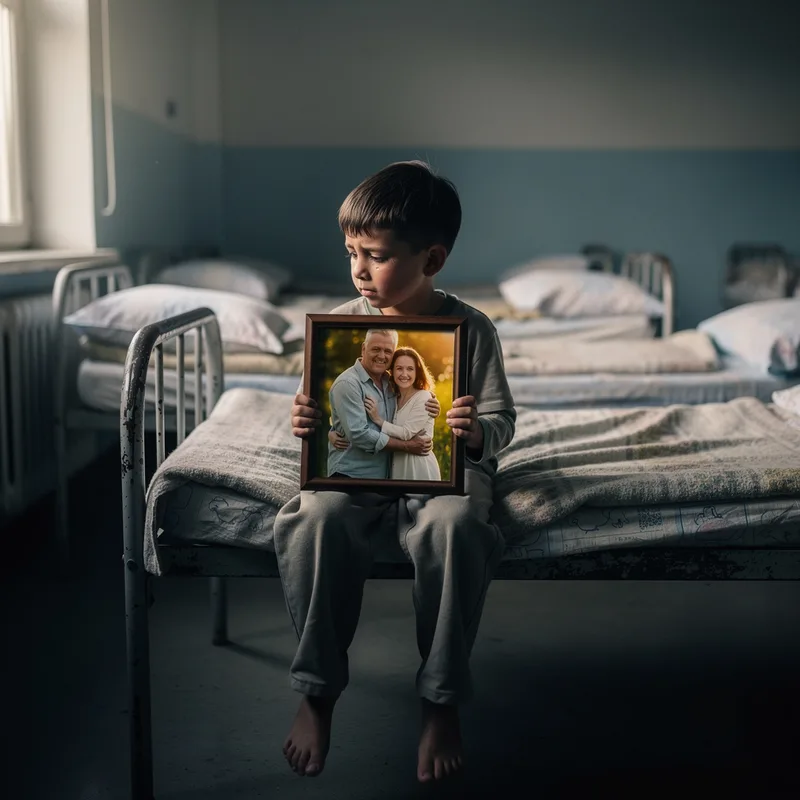
orphan
 179
1.1
179
1.1

- noun
- /ˈɔrfən/
- She'd been raised an orphan and had no idea who her people were.
- adopt orphans
- care for orphans
- become an orphan
Loading YouTube…
Watch on YouTubeAnd, you know, a lot of orphans reach out to you about your journey.
- And, you know, a lot of orphans reach out to you about your journey.
- The next evening, just as they were about to eat, an orphan came to their door.
- We had parties for children who were orphans.
- But in fact, these children are not orphans.
- And she says, why don't we, Why don't we adopt an orphan?
- And so now what happens is you, by and large, I'm an orphan.
- And Linus job is to visit all of these different orphans.
- Anyway, she gets a letter from her family and she's like, I am an orphan.
- Annie was the first thing I was ever in and I was one of the little orphans.
- Your following character or I don't know if there's any more than one, seems like more than one, but orphans, their parents died in a boat accident.
Examples
-
I am a war orphan.
-
The next evening, just as they were about to eat, an orphan came to their door.
-
All five were orphans now that a car accident had taken their mother away.
Academic text (1999) -
This is the story of four orphans brought together by fate.
-
My name is Norbit Albert Rice, and I was an orphan.
-
And these are kids now, orphans who had come from a completely bombed out town in eastern Ukraine.
-
After the earthquake, many orphans were left without families and needed support.
-
The charity organization aims to help orphans find homes and receive education.
-
She volunteered at the local shelter, where she spent time caring for orphans in need.
Compounds

- Specialized
A place polluted by toxic waste with no person or company responsible for cleaning it
Surface Forms
Etymology
Orphan comes from an old Greek word orphanos meaning 'without parents' or 'left alone'. So an orphan is a child who has lost both parents and is 'left alone' and without family support.